

Innovative Swimming Pool Solar Heating for Builders
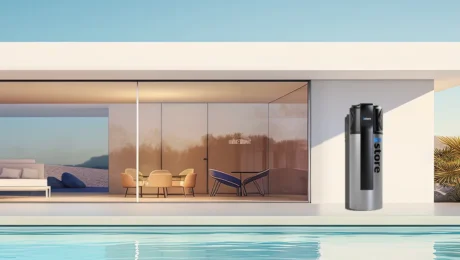
Solar pool heating works by harnessing the sun’s energy to heat pool water efficiently, using advanced technology to maximize performance and durability.
For builders and developers, solar pool heating represents a forward‑thinking investment in sustainability. Homeowners increasingly expect eco‑friendly features such as solar heating systems and heat pumps that lower household energy use.
This blog explores how swimming pool solar heating works, the key benefits for both homeowners and builders, and how iStore’s pool heating solutions deliver superior performance and reliability for year‑round comfort.
How Does Swimming Pool Solar Heating Work?
At its core, a solar pool heating system turns sunlight into free thermal energy. The process is straightforward yet incredibly effective, combining renewable solar power with advanced pool heating technology to provide consistently warm water for your swimming pool.
The Process Explained
- Solar collectors — usually mounted on a roof or nearby structure — absorb heat from the sun. These panels are made from durable, UV‑resistant materials designed specifically for pool heating systems.
- Pool water is pumped through the collectors, absorbing captured solar heat before returning to the pool at a higher temperature.
- As the cycle repeats, the water gradually warms until your pool water reaches the desired temperature — creating a comfortably heated pool ready for your next swim. This system helps maintain the pool’s temperature for optimal comfort and energy efficiency.
Heat Pumps and Hybrid Efficiency
Modern systems often combine solar heating with heat pump technology for even better efficiency. A heat pump extracts additional heat from the surrounding air, ensuring effective heating even on cooler or cloudy days.
iStore’s pool heaters take this to the next level, featuring a titanium thread heat exchanger that delivers up to 30% higher heating efficiency than standard models. This design boosts performance, shortens heating times, and reduces overall energy costs, making it ideal for both residential and commercial pool heating systems.
Regular maintenance and proper setup help keep your system running smoothly for years to come.
Benefits of Solar Pool Heating Systems
A solar pool heater offers much more than just warm water, it’s a gateway to energy efficiency, cost savings, and the enjoyment of a longer swimming season, as well as environmental sustainability.
Energy Efficiency
Compared to gas or electric pool heaters, solar pool heating systems rely primarily on sunlight, an abundant and free energy source. Once installed, they operate with minimal electricity to pump water through the system, saving up to 80% on energy usage.
When paired with an iStore heat pump, these systems achieve impressive efficiency, using every ounce of available solar energy to heat and maintain your pools at the perfect temperature.
Cost Savings
While the upfront cost of installation is higher than conventional pool heating systems, the long‑term savings outweigh the investment. Owners benefit from drastically lower ongoing energy bills, and because solar energy is free, operating costs remain minimal year after year.
For developers and builders, integrating solar pool heating creates a strong sustainability feature that boosts property value and long‑term customer satisfaction. Choosing quality products, especially Australian Made options, is essential for reliable performance and maximum savings.
Eco‑Friendliness
Choosing solar heating greatly reduces reliance on gas and electricity from non‑renewable sources. Lowering your carbon emissions contributes to a cleaner environment while positioning your projects as eco‑friendly and future‑ready.
Integrating a solar system for pool heating further reduces environmental impact and reliance on non-renewable energy.
Year‑Round Comfort
Australia’s climate makes solar pool heating a practical option for year‑round enjoyment. The latest iStore solar pool heaters and heat pumps perform efficiently even in cooler months, maintaining a warm, comfortable swimming pool temperature no matter the season.
With smart energy management systems, users can enjoy consistent comfort, perfect for hotels, residential developments, or backyard pools demanding reliability and luxury, while also extending the swim season for more months of enjoyable swimming.
Why Builders Should Choose Solar Pool Heating for Sustainable Projects
As homeowners grow more aware of energy efficiency and sustainability, builders are increasingly prioritising eco‑friendly systems in new constructions. It is also important to choose a reputable company with experience in solar pool heating installation to ensure quality and reliable service.
Meeting Modern Sustainability Standards
Including a solar pool heating system aligns with Australia’s push for renewable energy and reduced carbon output. Properties featuring solar heating or heat pumps are more attractive to buyers who want efficient and low‑maintenance comfort.
Boosting Property Value
Homes with solar pool heating often achieve higher resale values. Buyers recognise the long‑term savings and lower energy bills associated with these systems, making them a desirable feature in both residential and commercial settings.
Easy Integration for Builders
iStore’s pool heaters are designed for professional installation and smooth integration into modern architectural designs. These systems can also be installed on existing pools, making them a versatile solution for both new and older properties. They seamlessly fit into a property’s existing solar power system, allowing builders to include a sustainable luxury feature without complex reconfiguration.
By offering solar pool heating, construction professionals can set their projects apart while aligning with the increasing consumer demand for sustainable living.
Features of iStore Pool Heating Solutions
iStore leads innovation in solar‑compatible pool heating systems, providing durable, efficient, and smart technology that benefits both homeowners and builders. iStore systems are also designed for easy installation, ensuring a hassle-free setup for builders and homeowners.
Titanium Thread Heat Exchanger
iStore’s advanced titanium thread heat exchanger transfers heat to pool water more effectively than standard materials. This technology accelerates the heating process and provides better corrosion resistance, ideal for saltwater and chlorinated pools.
Energy‑Saving Design
Each iStore pool heating system is engineered for low energy consumption and high efficiency. Compatible with existing solar PV systems, they use renewable energy to maintain water temperature without driving up energy bills. iStore systems are also engineered to maximize efficiency even when roof space is limited, making them suitable for a wide range of installation scenarios.
Smart functionality allows the system to operate automatically when solar power is available, further increasing cost‑effectiveness and sustainability.
Durability and Reliability
Built to meet strict Australian standards, every iStore pool heater provides dependable performance and long‑term durability. These systems are crafted with corrosion‑resistant materials and eco‑friendly heat pump technology, ensuring years of reliable use with minimal maintenance. iStore systems can be installed without drilling or gluing roof tiles, using secure fasteners to protect the integrity of your roof.
Flexible Applications
From compact residential pools to large commercial pools, iStore’s range adapts easily to different pool sizes and installation environments. To ensure optimal heating performance, the system is sized according to the pool surface area, matching the collector area to the pool’s surface for effective heat transfer. This flexibility makes them a preferred choice for builders seeking scalable pool heating solutions that meet varied project needs.
Installation Tips for Solar Pool Heating Systems
Proper installation is key to achieving optimal efficiency and longevity from your solar pool heating system.
Professional Installation Matters
Although it may be tempting to attempt a DIY setup, professional installation ensures correct plumbing, pump selection, and system orientation for maximum solar gain. Certified installers understand flow rates, roof angles, and pool size which are crucial factors for effective heating performance.
iStore works closely with installers, providing technical resources, manuals, and commissioning support to guarantee perfect setup and long‑term satisfaction for end users.
Factors to Consider
- Pool Size: Larger pools need bigger collector surface areas and more powerful pumps to guarantee even heating throughout the system. For efficient heating, the solar collector surface area (measured in square metres) should closely match the pool’s surface area.
- Location: Where the solar collectors are placed (orientation, shading, and tilt) directly affects overall efficiency. It’s important to consider the available space on roofs for installing solar collectors to maximize solar energy capture.
- Energy Needs: Combining solar with an iStore heat pump ensures consistent warm water even during cloudy or colder days.
- Maintenance: Though solar heating systems need minimal upkeep, periodic cleaning and flow checks ensure the best performance over time.
Builders and installers can rely on iStore’s trained support team to supply guidance from installation through to commissioning and aftercare, reducing costs and build times while ensuring premium system performance.
FAQs
How much does solar pool heating cost?
The cost of installing a solar pool heating system varies depending on pool size, collector area, and local climate. On average, Australian homeowners spend between $3,500 and $7,000 including professional installation. When combined with an iStore heat pump, the setup delivers fast payback through lower energy bills and minimal running costs.
How long does it take to heat a pool with solar power?
Most solar pool heaters can raise pool water temperature by 5–7°C over several days, depending on sunlight and ambient temperature. Once optimal heat levels are achieved, maintaining a consistently heated pool requires minimal additional energy.
Are solar pool heaters worth it?
Yes. Solar pool heaters significantly reduce energy bills, require little maintenance, and offer excellent efficiency and lifespan (often 15–20 years). When paired with a heat pump, their performance remains reliable year‑round, making them a cost‑effective and eco‑friendly investment.
Can solar pool heating work in winter?
Absolutely. While solar heating depends on available sunlight, combining collectors with an iStore heat pump ensures continuous pool heating in cooler months. This hybrid approach extends your swimming season and maintains warm water temperatures even in winter.
Transform Pools with iStore’s Solar Heating Solutions
The advantages of swimming pool solar heating go far beyond energy savings. Builders and property owners gain a renewable, efficient, and eco‑friendly solution that enhances comfort, ensures year‑round use, and aligns with Australia’s sustainability goals.
iStore’s innovative solar pool heaters combine heat pump technology, a titanium thread heat exchanger, and compatibility with solar PV systems to deliver faster, cleaner, and more consistent pool heating.
For modern builders seeking high‑performance, cost‑effective energy solutions that impress clients and boost project value, iStore leads the way.
Explore iStore’s range of solar‑powered pool heaters today and create energy‑efficient swimming pools for your next project! Call 1300 515 640 or fill out this online form, and we’ll be in touch soon.
We can also help you if you’re thinking of switching to solar for even more savings and sustainability.
- Published in General
Solar Heat Pump: A Sustainable and Cost‑Effective Energy Solution
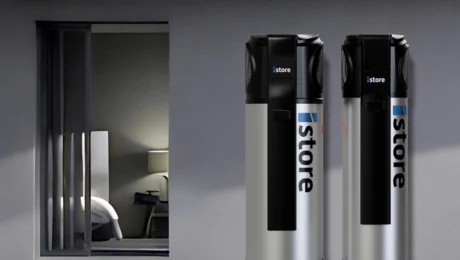
A solar heat pump is one of the smartest energy technologies currently transforming Australian households. By combining solar energy and modern heat pump technology, it delivers reliable heating for your home or water heater while dramatically reducing electricity usage.
This hybrid system takes the best of both worlds, harnessing abundant sunlight through solar panels and extracting natural heat from the surrounding air to provide a cost‑effective, environmentally responsible, and highly energy‑efficient way to heat water or even air.
For homeowners concerned about rising energy bills or wanting to shrink their reliance on fossil fuels, the solar heat pump presents a practical solution. By decreasing household carbon emissions and energy consumption, a solar heat pump also helps in decreasing your overall carbon footprint. In this guide, we explore how the system works, its many advantages, what to consider before installation, and how iStore’s solar heat pump range can help your household transition to clean energy more affordably.
What is a Solar Heat Pump and How Does It Work?
A solar heat pump integrates two renewable technologies, a solar PV system and a hot water heat pump. Together, they create a powerful process that redefines household energy consumption.
Here’s how it works:
- Solar panels (the PV components) generate electricity from sunlight. These panels can be installed on the roof or as ground-mounted systems, depending on your property.
- That solar electricity powers the hot water heat pump, which is operated using renewable energy sources such as solar power, and then extracts thermal energy from the ambient air.
- The hot water heat pump transfers this low‑grade heat energy into your home’s hot water system, effectively heating water for daily use with minimal dependency on grid electricity.
Alternatively, a solar hot water system uses solar collectors, which may include flat panels or tubes (such as vacuum tubes or collector tubes), to capture heat directly from the sun and transfer it to your water supply.
The combination of these systems multiplies efficiency, you’re not only using the sun’s power to run the hot water heat pump, but you’re also capturing free heat from the environment.
iStore’s advanced heat pumps are expertly designed to integrate with existing solar PV systems, making them ideal for Australian households that already have panels installed. This pairing maximises efficiency, reduces running costs, and ensures consistent performance no matter your location or energy needs.
Benefits of Using a Solar Heat Pump
A solar heat pump offers significant advantages in energy efficiency, cost savings, and environmental performance. By integrating solar heat pumps with renewable energy sources, households can increase their self sufficiency, operating more independently from external energy providers. These systems also deliver reliable performance, maintaining consistent operation even in varying weather conditions.
Energy Efficiency
Solar heat pumps can save up to 75–85% on electricity compared to traditional water heaters. Because the system collects renewable energy instead of burning fossil fuels, it drastically limits energy consumption, helping households reach new levels of efficiency.
Cost Savings
By relying mainly on solar and ambient air, households can dramatically lower energy bills. While there’s an upfront cost for purchase and installation, the long‑term savings routinely offset it, which means many homes see payback in just a few years.
Sustainability
Reducing dependence on gas or coal‑powered electricity cuts carbon emissions, contributing to cleaner air and a sustainable future. A solar heat pump is a tangible way any household can fight climate change while enjoying everyday comfort.
Versatility
A solar heat pump system isn’t limited to hot water only. It can also provide air heating or be adapted for pool heating, ideal for families wanting to extend their swim season efficiently. Additionally, solar heat pumps can deliver cooling as well, making them a versatile solution for both heating and cooling needs.
Government Incentives
Across Australia, both federal and state governments such as the Victorian Energy Upgrades (VEU) encourage the installation of renewable energy systems. Homeowners can benefit from financial incentives such as Small‑scale Technology Certificates (STCs), plus state‑based rebates that make switching to solar and heat pump systems even more affordable.
Solar Heat Pumps vs. Traditional Heating Systems
When comparing solar heat pumps with older heating systems, the difference is striking:
- Energy Consumption: A traditional electric water heater converts electricity directly into heat, wasting large amounts of energy. A heat pump, however, transfers free heat from the air, needing only a small amount of electricity which is often powered by your solar panels. For added reliability, many systems can use grid power as a backup or supplementary source, ensuring consistent performance even when solar energy is limited.
- Running Costs: Because solar PV offsets much of the power draw, running costs are a fraction of those of gas or electric models.
- Environmental Impact: Using renewables dramatically reduces reliance on fossil fuels, helping Australians lower their household carbon footprint.
Solar heat pumps are suitable for small, medium, and large homes, making them a flexible choice for a wide range of households. When selecting a system, it’s important to choose the right model based on your household size and energy needs to ensure optimal performance and compatibility.
In short, solar heat pumps offer a future‑proof solution for rising energy costs, giving households a system that’s both efficient and sustainable for the long term.
iStore Solar Heat Pump Solutions
As one of Australia’s leading innovators in energy‑efficient heating, iStore offers a premium range of solar‑compatible heat pumps that combine advanced technology with everyday convenience. iStore’s solutions feature smart control options, including remote management and scheduling via Wi-Fi, allowing users to monitor and optimize their systems with ease. Designed for reliable performance in diverse Australian conditions, iStore’s solar heat pumps ensure consistent operation and efficiency year-round.
Seamless Solar Compatibility
Each iStore heat pump is designed to work harmoniously with solar PV systems. Excess energy generated by your solar panels is used to heat water, reducing grid dependency and boosting your return on solar investment.
Smart Efficiency Modes
With intelligent settings like Hybrid and Vacation Mode, iStore systems optimise performance while conserving energy. The technology automatically adapts to your household’s heating and water usage patterns, ensuring comfort without unnecessary electricity consumption.
Two Size Options
The iStore 180L system is ideal for couples and small to medium households, while the iStore 270L unit suits medium to large families. Both models deliver highly efficient hot water heating that can be integrated with existing solar PV systems for maximum savings.
Advanced Technology
For homes with pools, iStore also offers solutions incorporating titanium thread heat exchangers which is perfect for pool heating in an energy‑efficient and affordable way.
Factors to Consider Before Choosing a Solar Heat Pump </h2>
1. System Size
Selecting the right size depends on your household size and water heating needs. A smaller system works great for couples, whereas families typically require a larger capacity for consistent hot water performance.
2. Installation Location
Where you install the system significantly affects efficiency. Optimal placement ensures proper airflow for the heat pump and maximum sunlight exposure for solar panels.
3. Cost and Rebates
While the upfront cost of a solar heat pump is higher than basic electric systems, rebates and reduced energy bills quickly offset that expense. Always research local and federal rebate programs available in Australia to bring your net cost down.
4. Professional Installation
Proper installation is crucial. Certified technicians guarantee your system is set up safely and efficiently. iStore‑approved installers ensure every component operates at peak performance to deliver the best long‑term results.
FAQs
How does a solar heat pump work?
A solar heat pump draws thermal energy from the air and uses electricity from solar panels to run the system. The captured heat is then transferred to water, creating a clean, efficient supply for household use.
Is a solar heat pump worth it?
Yes. With energy savings of up to 80%, access to rebates, and much lower running costs, a solar heat pump is a highly cost‑effective and environmentally sound investment for Australian homeowners.
What is the cost of installing a solar heat pump?
The installation costs typically range from $3,000 to $5,500, depending on the system size, location, and complexity. Government rebates can reduce the upfront cost substantially.
Can solar heat pumps be used for pool heating?
Absolutely, many solar heat pumps include components tailored for pool applications, using the same efficient technology to maintain comfortable water temperatures at a lower energy cost.
Embrace Sustainability with iStore’s Solar Heat Pumps
A solar heat pump represents the next generation of smart, energy‑efficient comfort. By combining solar power and heat pump technology, homeowners can enjoy reliable heating, significant cost savings, and reduced environmental impact all in one integrated system.
iStore’s solar heat pumps are designed for Australian conditions, delivering dependable performance, seamless solar compatibility, and long‑term value across every household size.
Explore iStore’s range of heat pump hot water systems today and find the perfect solution for your home! Call 1300 515 640 or fill out this online form, and we’ll be in touch soon.
We can also help you if you’re thinking of switching to solar for even more savings and sustainability.
- Published in General
Heat Pump Hot Water System Price: Affordable Solutions for Empty Nesters
This modern, energy‑efficient technology is becoming increasingly popular in Australia as homeowners look for more sustainable and cost‑effective alternatives to traditional hot water systems.
A heat pump hot water system uses renewable heat from the surrounding air to warm your water, delivering substantial savings while reducing carbon emissions. Choosing an efficient system is key to maximising these savings and further reducing emissions. For smaller households, retirees, and empty nesters, it’s an affordable, low‑maintenance solution that provides reliable hot water every day for a fraction of the running costs of older systems.
In this guide, we’ll unpack the true heat pump hot water system price, the factors that influence the cost, and how you can unlock long‑term energy and financial savings with iStore’s award‑winning systems.
Selecting the Right Heat Pump
Choosing the right heat pump for your home starts with understanding your household’s hot water needs, the size of your property, and your local climate. Larger homes or those with higher hot water usage will benefit from a more powerful system, while smaller households can often opt for a compact, efficient hot water system.
If you live in a colder region, a ground-source or hybrid heat pump may offer better performance year-round. It’s also important to consider the energy efficiency rating of the system, as a more efficient heat pump will lead to lower energy bills and greater long-term savings.
Don’t forget to factor in the upfront cost, installation costs, and any available government rebates or incentives, which can make a big difference to your overall investment. By selecting a well-matched, efficient heat pump system, you’ll enjoy reliable hot water, reduced carbon emissions, and significant savings on your energy bills for years to come.
Understanding the Price of Heat Pump Hot Water Systems
When considering a heat pump hot water system, price is often the first question homeowners ask. On average, the heat pump hot water system price in Australia ranges between $3,000 and $5,500, including installation costs.
Hardware costs can vary significantly depending on the brand, capacity, and features of the system.
This price can vary depending on several key factors:
1. System Size
The size of the system directly impacts cost. For example, iStore’s 180L model is ideal for one to three people, while the iStore 270L model suits families of up to five. Larger tank sizes generally come with higher upfront costs but may be necessary for households with greater hot water needs, especially for bigger families or certain systems like solar hot water systems. Larger pump hot water systems require more energy output and therefore come at a slightly higher price, but they’re still highly efficient compared to conventional gas or electric hot water systems.
2. Installation Complexity
Installation costs can vary depending on your property’s layout, the existing water heating system, and whether any electrical or plumbing modifications are needed. Some installations may require a concrete slab as a stable base for the outdoor unit. In addition, a new electrical circuit may need to be installed by a licensed electrician, which can add to the overall installation cost. Simple retrofits typically fall on the lower end of the cost range, whereas more complex installations can take longer and add to the overall price.
3. Location and Government Rebates
Your location can also influence final cost due to state rebates and government incentives. Many states offer incentives or small‑scale technology certificates (STCs) that significantly reduce your upfront cost. Programs like Victorian Energy Upgrades (VEU) can provide additional rebates for eligible households upgrading to heat pump hot water systems. With certain incentives, an iStore heat pump system could cost as little as $2,000–$3,000 after rebates, making it incredibly attractive for savvy homeowners.
Why Heat Pump Hot Water Systems Are Cost‑Effective
Let’s break down why a heat pump hot water system delivers such excellent value over time.
Investing in a heat pump hot water system pays off in the long run through reduced energy bills and lower maintenance costs.
Energy Efficiency
A heat pump hot water system is one of the most energy‑efficient hot water systems available. Hot water systems are one of the largest contributors to household energy use, so improving their efficiency can have a significant impact on reducing overall energy use and greenhouse gas emissions. Instead of generating heat directly, it captures ambient heat energy from the surrounding air and transfers it to your hot water tank. This process uses 75–85% less electricity than a traditional electric water heater.
That efficiency means substantial reductions in running costs and energy bills. Over the lifespan of your system, you can expect to save hundreds, even thousands, on household energy consumption.
Long‑Term Savings
While the upfront cost of a heat pump may be higher than a gas or electric system, the long‑term savings quickly make up for it. Many homeowners recover their investment within a few years through lower energy bills.
Over 10 years, it’s not uncommon to save between $2,000 and $4,000, depending on your household’s hot water use, energy efficiency, and applicable rebates.
Government Incentives
Federal and state rebates make heat pumps even more affordable. The federal Small-Scale Renewable Energy Scheme (SRES) encourages households to install renewable energy systems, such as solar panels and air-source heat pumps.
In some states, upgrading to a heat pump hot water system can generate energy saving certificates (ESCs). These certificates can be sold or redeemed for additional rebates, providing further incentives for energy efficiency upgrades.
Some states and territories also offer additional rebates, further lowering your heat pump hot water system price. Always check your local area to see what government rebates you may be eligible for before purchasing or booking installation.
Comparing Heat Pumps to Traditional Hot Water Systems
When deciding on the right hot water system, it’s essential to understand how a heat pump compares to other types. Understanding how much hot water your household needs is also crucial for selecting the right system, as capacity and daily usage will determine the most suitable option.
| System Type | Average Installed Cost (AUD) | Energy Efficiency | Carbon Emissions | Typical Running Costs |
| Electric Water Heater | $800–$1,500 | Low | High | High |
| Gas Water Heater | $1,500–$3,000 | Moderate | Moderate | Moderate |
| Heat Pump Hot Water System | $3,000–$5,500 | High (75–85% energy‑efficient) | Low | Low |
Hot water heat pumps work by extracting heat from the air or ground and transferring it to heat water, making them highly energy-efficient. There are two main types: split heat systems, where the compressor and water tank are separate, offering installation flexibility, and integrated systems, which combine both components into a single unit for a compact, space-saving solution. Integrated systems are often easier to install and can be more cost-effective compared to split systems.
Unlike gas and electric systems, a heat pump system works like a reverse air‑conditioner, extracting heat from the air instead of generating it. This innovative technology minimises carbon emissions and delivers hot water with remarkable efficiency.
For environmentally conscious households aiming to reduce carbon emissions, a heat pump hot water unit is the most responsible choice.
iStore Heat Pump Hot Water Systems for Smaller Households
At iStore, we’ve designed our heat pumps with Australian conditions and modern households in mind. Our systems deliver powerful efficiency, quiet operation, and year‑round reliability, all while helping homeowners curb energy bills and carbon emissions.
iStore competes in the premium heat pump market alongside other well known brands such as Reclaim Energy and Sanden, both recognized for their high-end, efficient systems. Make sure to choose the right model for your household size and hot water needs to get the best performance and value.
Two Size Options
- iStore 180L Heat Pump Hot Water System: Perfect for apartments, couples, and empty nesters, offering excellent efficiency for up to three people.
- iStore 270L Heat Pump Hot Water System: Suited for medium households of up to five people, ensuring consistent hot water supply even during peak usage.
Energy‑Efficient Modes
With smart features like Hybrid Mode, Vacation Mode, and Eco Mode, iStore’s heat pump systems optimise energy efficiency and minimise running costs. These modes adjust heating schedules based on your energy usage, delivering hot water only when it’s needed most.
Low Energy Consumption
Each iStore system runs on as little as 500 watts per hour, resulting in impressively low energy bills. That’s a fraction of the energy consumed by conventional electric hot water systems.
Solar Compatibility
For households with solar PV, an iStore pump hot water system lets you maximise renewable energy. You can heat your hot water during the day when solar generation peaks, boosting overall efficiency and reducing grid dependency, achieving even greater long‑term savings.
Additionally, iStore heat pump hot water systems can be integrated with an existing solar system, such as a solar water heating system, for even greater energy savings.
Additional Costs to Consider
While the upfront price gives a good indication, several additional cost factors are worth understanding.
1. Installation Costs
Expect to pay around $800–$1,200 for professional installation, depending on the complexity, plumbing requirements, and existing setup. iStore’s authorised installers ensure seamless integration with your current water system, adhering to all Australian standards.
2. Maintenance
One of the best parts of owning an iStore heat pump is its minimal maintenance. Unlike gas burners or electric elements, there’s no frequent servicing required, just occasional cleaning of air filters and annual system checks. Annual maintenance should also include checking the pressure relief valve to ensure safe operation. With proper care, your unit can last 15 years or more.
3. System Upgrades
If you’re aiming for maximum energy efficiency, consider pairing your heat pump with a solar battery or inverter. This allows you to store excess solar energy and further reduce your household’s energy bills and carbon footprint.
FAQs
How much does a heat pump water heater cost to install?
The average installation cost for a heat pump water heater in Australia typically ranges between $800 and $1,200, depending on your location, existing setup, and any necessary electrical upgrades. Some installations may cost more if plumbing adjustments or solar integrations are required.
Are heat pump water heaters worth the price?
Absolutely. While the initial upfront cost of a heat pump system is higher, the long‑term benefit comes from drastically lower running costs and reduced energy bills. Most homeowners see a full return on investment within just a few years, making heat pumps one of the most efficient and cost‑effective hot water systems on the market.
Can I get a rebate for a heat pump hot water system?
Yes. Many Australians can access federal and state rebates to reduce the total heat pump hot water system price. Programs such as STCs (Small‑scale Technology Certificates) and state‑based incentives can save you hundreds off the purchase and installation costs.
To find out what rebates or incentives apply in your state, visit your state government’s energy website or check the federal government’s energy.gov.au site, which lists current programs across Australia.
What is the lifespan of a heat pump hot water system?
A high‑quality system like iStore’s range of heat pumps generally lasts between 12 and 15 years, and sometimes more with regular maintenance. This long lifespan adds to the system’s excellent overall value and energy efficiency.
How much can I save with a heat pump water heater?
Depending on your location, electricity rates, and household size, you could save up to 70–80% on your hot water energy costs annually. Over a decade, that can equate to $2,000–$4,000 in long‑term savings.
Save Money and Energy with iStore Heat Pump Hot Water Systems
For empty nesters, small families, or anyone looking to lower their energy bills and environmental impact, the heat pump hot water system offers unbeatable value.
With affordable prices, access to government rebates, and exceptional energy efficiency, iStore’s heat pump range gives you a smart path to long‑term savings and greener living.
Every iStore heat pump is built to deliver reliable hot water, reduced running costs, and superior efficiency; all backed by trusted Australian customer support.
Explore iStore’s range of heat pump hot water systems today and find the perfect solution for your home! Call 1300 515 640 or fill out this online form, and we’ll be in touch soon.
We can also help you if you’re thinking of switching to solar for even more savings and sustainability.
- Published in General