

Understanding Solar Hot Water: How It Works and Its Benefits
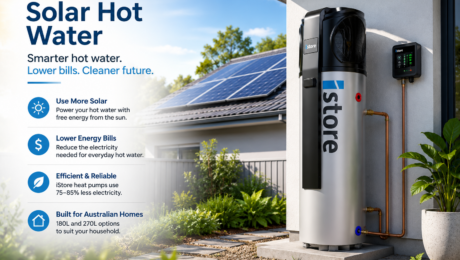
Most people think about solar for lights, appliances, and air conditioning. But one of the smartest places to use renewable energy is your hot water.
A solar-powered hot water system helps your home reduce the energy needed for showers, laundry, washing up, and everyday cleaning. That means lower running costs, less energy waste, and a more sustainable way to live.
Read on as we look into how solar hot water systems work, how much solar hot water systems cost, and how iStore’s solar-compatible heat pumps and inverters can support efficient water heating.
What Is Solar Hot Water?
Solar hot water is a water-heating method that uses solar energy to heat water for your home. Instead of relying only on grid electricity or gas, a solar hot water system uses roof-mounted collectors or solar-connected technology to reduce the amount of purchased energy needed for hot water.
Traditional solar hot water systems usually use collectors installed on the roof. These collectors absorb heat from the sun and transfer it to water stored in a tank.
The two common collector types are:
Flat Plate Collectors
These look like flat panels on the roof. They absorb solar heat through a dark surface and transfer it into the water or heat-transfer fluid.
Evacuated Tube Systems
These use rows of glass tubes to capture heat. They can perform well in cooler or cloudier conditions because the tubes help reduce heat loss.
Solar-Compatible Heat Pumps
A heat pump is not the same as a traditional roof collector system, but it can support solar-efficient hot water by using daytime solar electricity to move heat from the air into the water.
Solar Electric Integration
Solar panels can generate electricity during the day, and that electricity can help power an efficient heat pump for water heating.
Some modern homes also use heat pump systems alongside solar power. A heat pump isn’t the same as a traditional roof collector system, but it can still support solar-efficient hot water. Instead of collecting heat directly from the sun, it extracts thermal energy from the air and uses electricity to move that heat into the water.
This is where solar electric and hot water systems can work together. Solar panels can generate electricity during the day, and that electricity can help power an efficient heat pump.
Compared with standard electric or gas systems, solar hot water focuses on reducing the amount of grid energy needed to heat water. Gas and traditional electric systems generate heat directly. Solar hot water uses renewable energy first, then relies on boosting only when needed.
How Does a Solar Hot Water System Work?
The basic idea is simple: collect energy, transfer heat, store hot water, and use a booster when the sun can’t do enough on its own.
In a traditional solar hot water system, the process usually looks like this:
Solar Collection
Roof collectors absorb heat from the sun. In some systems, water passes directly through the collectors. In others, a heat-transfer fluid captures the warmth and passes it into the water through a heat exchanger.
Circulation
The heated water or heat-transfer fluid moves between the collector and the storage tank. Some systems use a pump, while others rely on natural movement.
Storage
Heated water is kept in an insulated tank until your household needs it.
Boosting
On cloudy days, during winter, or when household demand is high, an electric or gas booster can help raise the water temperature.
Solar Integration
In homes with solar panels, solar electricity can power supporting technology, such as a heat pump, to heat water during the day.
So, how does solar hot water work in everyday life? On sunny days, most of the heating can come from renewable energy. When conditions aren’t ideal, the booster or solar-connected heat pump steps in so your household still has reliable hot water.
Benefits of Solar Hot Water Systems
Lower Energy Bills
Heating water with solar energy can reduce the amount of grid electricity or gas your home needs. Some households may reduce hot water energy use by up to 80%, depending on the system, climate, household usage, and installation.
Long-Term Savings
A solar hot water system can cost more upfront than a basic electric unit, but lower running costs can make the investment worthwhile over time.
Reduced Emissions
Using renewable energy for hot water can reduce household greenhouse gas emissions, especially in homes moving away from gas or older electric systems.
Better Use of Australian Sunshine
Many Australian homes are well suited to solar energy, particularly when roof space, orientation, and household usage patterns line up well.
Government Incentives
Eligible solar water heaters and air source heat pumps may qualify for Small-scale Technology Certificates, also called STCs. These can help reduce the upfront cost through an installer or registered agent.
Reliable Performance
A quality system, installed correctly, can provide dependable hot water for many years.
Low Maintenance
Solar hot water systems generally don’t need much day-to-day attention, although periodic servicing is still important.
For anyone comparing options, cost is usually one of the first questions. Search terms like “how much do solar hot water systems cost,” “how much is a solar hot water system,” and “solar hot water system price” all point to the same issue: homeowners want to know whether the savings justify the upfront cost!
The answer depends on system type, tank size, installation complexity, roof access, booster type, rebates, and household water use. A cheaper system may look appealing at first, but the better value often comes from a setup that reduces energy use over the long term.
iStore heat pump technology
iStore’s Heat Pump Technology: A Solar-Compatible Hot Water Solution
iStore heat pumps offer another way to make hot water more efficient, especially for homes with solar.
Rather than heating water through a standard electric element, an iStore heat pump draws thermal energy from the surrounding air and transfers it into the water. It uses electricity to move heat, not generate all the heat directly.
That’s what makes heat pump technology so efficient. iStore heat pumps use 75–85% less electricity than conventional hot water systems, helping households reduce energy use without giving up reliable hot water.
For homes with solar panels, the setup can become even more efficient. You can schedule the heat pump to run during the day, when your solar system is producing electricity. That helps your home use more of its own renewable power instead of drawing from the grid later.
iStore offers two main heat pump sizes for Australian homes:
- 180L Heat Pump: A practical option for smaller households, couples, apartments, and water-conscious families.
- 270L Heat Pump: A larger option for families or homes with higher daily hot water demand.
Installation and Factors To Consider
Choosing the right solar hot water system isn’t just about picking the biggest tank or the lowest price. The best option depends on your home, your hot water habits, and how your energy system is set up.
Before choosing a system, consider:
Household Size
More people usually mean more showers, laundry, dishes, and daily hot water use. Your system needs enough capacity to keep up.
Usage Patterns
A household that uses most hot water in the morning may need a different setup from one that uses more throughout the day.
Roof Space and Orientation
Traditional solar hot water collectors need suitable roof space and good access to sunlight.
Tank Location
The storage tank needs to be placed where it can operate efficiently and be accessed for servicing.
Climate
Some systems perform better than others in cooler, cloudier, or frost-prone regions.
Booster Type
Electric or gas boosting may be needed for days when solar energy isn’t enough.
Solar Compatibility
If you already have solar panels, a heat pump may be a practical way to turn daytime solar electricity into efficient hot water.
Rebates and Incentives
STCs and state-based rebates may help reduce upfront costs, depending on the system and your location.
Upfront cost matters, but long-term performance matters too. A well-matched system can reduce energy use year after year, while an undersized or poorly placed system may struggle to meet demand.
Why Choose iStore for Your Solar Hot Water Needs?
Solar hot water can be approached in more than one way. Some homes suit traditional roof collectors. Others may get better value from solar working with an efficient heat pump.
iStore focuses on practical, energy-efficient products that suit modern Australian homes. Its heat pumps can work alongside solar systems, while iStore inverters and batteries help households manage, store, and make better use of the energy they generate.
Together, these products can support reliable hot water, lower electricity use, and a more efficient home energy setup.
Homeowners choose iStore for:
- Solar-compatible hot water solutions
- 180L and 270L heat pump options
- Lower electricity use compared with conventional systems
- Support for homes moving away from gas
- Product support and installer resources
- Eligibility for STCs and other incentives, where available
iStore also supports installers and industry professionals with product information, helping systems be selected and installed correctly.
For Australian households, that support matters. A hot water system has to work every day, so the right product and the right installation both make a difference.
FAQs About Solar Hot Water
How Does a Solar Hot Water System Reduce Electricity Bills?
A solar hot water system uses energy from the sun to heat water, so your home needs less electricity or gas for hot water. If you use a solar-compatible heat pump, daytime solar power can also help run the system more efficiently.
Is Solar Hot Water Worth It?
Yes, solar hot water can be worth it for many Australian homes. It can reduce energy use, lower running costs, and support a more sustainable home, especially when the system is well matched to household size, location, and water use.
What’s the Difference Between Solar Hot Water and Heat Pumps?
Traditional solar hot water uses roof collectors to capture heat from the sun. A heat pump extracts heat from the surrounding air and transfers it into the water. When powered by solar, a heat pump can still support solar-efficient hot water.
How Long Does It Take To Install a Solar Water Heating System?
Installation time depends on the system type, roof access, tank location, plumbing work, electrical work, and whether an old system needs to be removed. Many straightforward installations can be completed within a day, but more complex jobs may take longer.
Can Solar Hot Water Systems Work During Winter?
Yes. Solar hot water systems can still work in winter, although output may be lower on cold, cloudy, or shorter days. Boosters or solar-connected heat pumps help maintain reliable hot water when solar energy is limited.
How Does a Solar Hot Water System Work?
Solar roof panels absorb heat from the sun. Water, or a heat-transfer fluid, circulates through the panels, absorbs heat, and transfers that heat to water stored in an insulated tank until needed. Many solar hot water systems also include an electric or gas booster to help maintain hot water during cloudy weather, overnight, or when household demand is higher than usual.
How Much Is a Solar Hot Water System?
A solar hot water system generally costs between $3,000 and $8,000 fully installed. The final price depends on the system type, tank size, roof setup, booster, location, and any available rebates or incentives.
Make the Switch to Solar Hot Water with iStore
Your hot water system works every day. If it’s using more energy than it needs to, that’s money and power going to waste.
Solar hot water gives your home a smarter way forward, helping reduce electricity use, lower running costs, and make better use of renewable energy.
With iStore’s solar-compatible heat pumps, inverters, and batteries, you can take more control over how your home heats, stores, and uses energy.
It’s reliable hot water, powered by smarter thinking.
Explore iStore’s solar-compatible hot water solutions today. Contact us to find the right system for your home and take the first step towards energy independence.
Contact iStore- Published in General
NSW Households Can Now Access $15,000 Interest-Free Loans to Electrify Their Homes
iStore breaks down what the new NSW Home Energy Saver program means for families, and how a whole-of-home approach can make the most of it.
Electrifying your home just became far more affordable for households across New South Wales.
The NSW Government’s new $557 million Home Energy Saver program has removed the single biggest barrier to lowering power bills, the upfront cost, by offering eligible households zero-interest loans of up to $15,000 to fund energy-saving upgrades.
NSW program spotlight
What the Program Offers
The scheme is designed to help NSW families cut their energy costs by spreading the cost of home upgrades over time, rather than paying it all at once.
Eligible households can now access interest-free loans of up to $15,000, repayable over ten years, to install upgrades including rooftop solar, home batteries, and efficient electric appliances. The loans are available to households with a combined taxable income of up to $210,000.
Later in 2026, the program will also introduce discounts of up to $4,000 for lower-income households and eligible concession card holders, with renters able to access support too, provided they have their landlord’s permission.
For households eligible for both, the recommended approach is to apply for the discount first, then use a loan to cover the remaining amount.
A Real-World Example
The appeal is simple: your upgrades can start lowering your bills from day one, while you repay the loan interest-free.
For instance, a household earning $200,000 that wants a $10,000 solar and battery system can borrow the full amount and repay it over ten years with zero interest — all while the system reduces their energy costs immediately.
Why a Whole-of-Home Approach Matters
Electrification delivers the greatest savings when your systems work together. Solar panels generate clean power during the day. A battery stores the excess for expensive peak evening hours. A heat pump dramatically reduces the electricity needed for hot water. And a smart EV charger can soak up surplus solar instead of drawing more power from the grid later.
Solar Panels
Generate clean electricity during the day and reduce your reliance on grid power.
Battery Storage
Store excess solar energy so your home can use it later, including during expensive evening peak periods.
Heat Pump Hot Water
Reduce the electricity needed for one of the biggest everyday energy users in the home.
Smart EV Charging
Use surplus solar to charge your electric vehicle instead of drawing more energy from the grid later.
This is where iStore’s approach stands out. Because iStore covers solar, battery storage, heat pump hot water and EV charging under one brand, with one app and one company to deal with, NSW households can plan a complete electrification upgrade rather than juggling multiple suppliers. Depending on your installer’s pricing, a combined setup can potentially fit within the $15,000 interest-free loan cap.
What NSW Households Can Consider
If you are planning to use the Home Energy Saver program, it helps to think about your home as one connected energy system rather than a set of separate products.
- Check whether your household meets the income and eligibility requirements.
- Confirm which products and upgrades are approved under the current program rules.
- Consider whether solar, battery storage, hot water and EV charging can be planned together.
- Ask your installer how the upgrade can be staged or bundled within the loan amount.
- Compare upfront cost, repayment period, running cost savings and long-term value.
Take the Next Step
If you’re in NSW, there’s never been a better time to take control of your energy use, and your bills.
Full program details and eligibility criteria are available from Energy NSW.
To explore how iStore’s energy-efficient products can work together in your home, browse our range or contact our team today.
Eligibility, approved products and final pricing vary by household and installer. Always confirm current program details and eligible products before applying.
Contact iStore- Published in News
Benefits of an Electric Hot Water System: A Comprehensive Guide
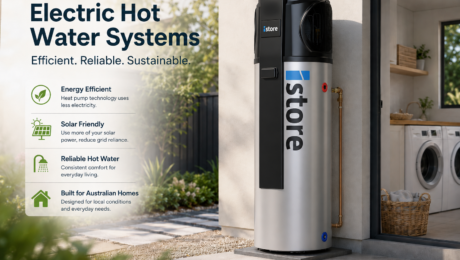
Hot water is one of those things you don’t think about until it’s not there! But behind every shower, load of laundry, and kitchen clean-up, your hot water system is using energy.
Choosing the right electric hot water system can make a huge difference to comfort, running costs, and sustainability. Whether you’re building, renovating, replacing an old unit, or moving away from gas, energy-efficient electric systems are becoming a smarter choice.
With iStore’s efficient heat pump models, homeowners can enjoy reliable hot water while using less electricity and supporting a cleaner, more energy-conscious home.
What Is an Electric Hot Water System?
An electric hot water system uses electricity to heat water for your home. Once heated, the water is supplied to taps, showers, baths, dishwashers, and washing machines whenever you need it.
There are a few different types of electric systems available, and each one works a little differently.
Electric Storage Systems
Electric storage systems heat water and store it in a tank, so hot water is ready when you need it.
Continuous Flow Systems
Continuous flow systems heat water as it passes through the unit, rather than storing a full tank.
Heat Pump Systems
Heat pump systems use electricity to move heat from the surrounding air into the water, making them much more efficient than many traditional electric systems.
Solar-Compatible Systems
For homes with solar panels, an electric heat pump system can use daytime solar power to help heat water and reduce reliance on grid electricity.
An instant electric hot water system may suit smaller households or areas with lighter hot water use, while storage systems are better for homes that need hot water available throughout the day.
Electric systems can also be a good option for homes without gas access, including rural properties, new all-electric builds, and households moving away from fossil fuels. Because they don’t need a gas connection, they can offer more flexibility when planning an installation or upgrade.
For homes with solar panels, an electric heat pump system can make even more sense! Solar electric and hot water systems can work together by using daytime solar power to help heat water, reducing reliance on grid electricity for one of the home’s biggest energy users.
Key Benefits of an Electric Hot Water System
Energy Efficiency
Modern electric systems, such as iStore’s heat pumps, are designed to use electricity more efficiently. Instead of relying on a traditional heating element alone, a heat pump draws warmth from the surrounding air and transfers it into the water. This can significantly lower electricity consumption compared to older systems.
Affordability
Standard electric systems can often be more affordable upfront than some gas alternatives, especially where gas connections, ventilation, or extra installation work are needed. Heat pumps may cost more upfront, but their lower running costs can make them a strong long-term option.
Versatility
Electric hot water systems can suit many different homes, from compact apartments to larger family properties. They can also be installed in many urban, suburban, and rural locations, depending on the system type and site requirements.
Sustainability
When paired with solar power, an electric system can help your home use more renewable energy. Heat pumps are especially useful for households wanting to reduce emissions without giving up reliable hot water.
Low Maintenance
Quality electric systems are designed for consistent everyday use. While every system still needs proper installation and occasional servicing, electric units are generally straightforward to live with.
For households thinking about electric hot water system prices, it’s worth looking beyond the purchase cost alone. A cheaper system may cost less on day one, but a more efficient system can save much more over its lifetime.
Running costs also depend on your household size, water habits, electricity tariff, system type, and whether solar power is available. That’s why the question “how much electricity does a hot water system use?” doesn’t have one simple answer.
A large family using a traditional electric storage system will use energy differently from a couple with a solar-connected heat pump.
Heat pump spotlight
Heat Pumps: A Revolutionary Electric Water Heating System
A heat pump is one of the most efficient types of electric water heating available for Australian homes!
Instead of generating heat in the same way as a traditional electric element, a heat pump extracts thermal energy from the surrounding air. It then transfers that heat into the water stored in the tank.
It works a bit like a reverse-cycle air conditioner, but for your hot water. The system uses electricity to move heat, not create all of it from scratch. That’s why heat pumps can use far less electricity than conventional electric hot water systems.
iStore heat pumps are designed to support reliable hot water while reducing energy consumption. They’re available in:
- 180L models, suited to smaller homes, couples, apartments, and lower-use households.
- 270L models, suited to larger families and homes with higher hot water demand.
The right size matters. A system that’s too small may struggle to keep up. A system that’s too large may cost more than necessary. Matching the unit to your household’s needs helps improve comfort and efficiency.
For homes with solar panels, a heat pump can be even more useful. You can schedule the system to heat water during the day when your solar panels are producing electricity. That helps your home use more of its own solar power instead of drawing electricity from the grid later.
This is one of the reasons heat pumps are becoming such a smart upgrade. They don’t ask you to change the way you use hot water. They simply heat it in a smarter way.
Factors to Consider When Choosing an Electric Hot Water System
Household Size
A small household may not need the same tank size as a large family. Think about how many people live in the home, how often showers are used, and whether hot water is needed in several places at once.
Daily Water Habits
Long showers, large washing loads, baths, and constant dishwasher use will all increase hot water demand.
Solar Compatibility
If you already have solar panels, or you’re planning to install them, a heat pump can help you make better use of daytime solar energy.
Location and Climate
Heat pumps work by drawing heat from the air, so placement, airflow, and local climate can affect performance. A good installer can help choose the right location.
Available Space
Storage tanks and heat pumps need suitable installation space. Access, drainage, ventilation, and noise placement should all be considered.
Cost and Incentives
Eligible heat pump systems may qualify for Small-scale Technology Certificates, also called STCs, as well as state-based rebates in some areas.
If you’re comparing systems, don’t only ask, “What’s the cheapest unit?” A better question is, “What will this system cost to install, run, maintain, and live with over the next decade?”
That gives you a clearer picture of real value!
The Cost-Effectiveness of Electric Hot Water Systems in Australia
Hot water can make up a large share of household energy use, so the system you choose can have a big effect on your bills.
Traditional electric storage systems can be affordable to buy and simple to install, but they may cost a lot more to run if they only use grid electricity. Gas systems can also have ongoing costs, and they may need ventilation, gas supply, and more installation planning.
Heat pumps sit in a different category. They usually cost more upfront than a basic electric storage unit, but they’re designed to use much less electricity day-to-day. Over time, those lower running costs can help offset the initial investment.
Several factors can affect the total cost of an electric hot water system, including:
- System type and size
- Installation complexity
- Household water use
- Local electricity tariffs
- Solar panel availability
- Rebate or STC eligibility
- Maintenance and expected lifespan
For homeowners comparing electric hot water system prices, rebates can also make a meaningful difference. Eligible iStore heat pumps may attract federal STC incentives, helping reduce the upfront cost through an approved installer or registered agent.
State support may also be available depending on where you live. Because rebate rules change, it’s always worth checking current eligibility before choosing your system.
Why Choose iStore for Your Electric Hot Water Solution?
Choosing a hot water system isn’t just about finding something that fits in the same spot as the old one. It’s about choosing a system that fits your home, your energy goals, and your budget over time.
iStore heat pumps are the go-to choice if you’re looking for a more efficient way to heat water. Instead of using large amounts of electricity through a traditional element, they use heat pump technology to draw energy from the surrounding air.
That makes them a strong choice for homeowners who want:
- Reliable hot water
- Lower electricity use
- Solar-friendly operation
- Reduced carbon emissions
- Long-term running cost savings
- A practical alternative to gas
Choosing the right hot water system can feel like a lot at first. You’re weighing up household size, running costs, solar compatibility, available space, rebates, and whether the system will still suit your home years from now.
That’s where iStore keeps things practical. With efficient heat pump options for different household needs, you’re not locked into a one-size-fits-all solution. You can choose a system that suits the way your home actually uses hot water.
iStore heat pumps are also designed with modern Australian homes in mind. They’re a strong fit for upgrades, renovations, new builds, and homes moving away from gas. For households with solar, they can help make better use of daytime energy without adding another complicated system to manage.
FAQs About Electric Hot Water Systems
Is an Electric Hot Water System Worth It?
Yes, an electric hot water system can be worth it, especially if you choose an efficient model that suits your household. Heat pumps can be a strong option because they use far less electricity than many traditional systems and can work well with solar power.
How Energy-Efficient Are Electric Water Heating Systems?
Efficiency depends on the system type. Traditional electric storage units can use a lot of power, while heat pump systems are much more efficient because they move heat from the air into the water rather than generating all the heat directly.
Can Electric Hot Water Systems Be Powered by Solar Panels?
Yes. Electric hot water systems can be paired with solar panels, especially heat pumps that can be scheduled to run during the day. This helps your home use more solar electricity and rely less on grid power.
What Is the Lifespan of an Electric Hot Water System?
Many electric hot water systems last around 10 to 15 years with proper installation, use, and maintenance. But they can vary depending on water quality, system type, usage, and servicing.
How Does a Heat Pump Compare to a Traditional Electric Water Heater?
A traditional electric water heater uses electricity to generate heat directly. A heat pump uses electricity to transfer heat from the surrounding air into the water, which can make it much more efficient. It may cost more upfront, but it can reduce running costs over time.
Upgrade Your Hot Water System with iStore Today
Your hot water system works every day, so it makes sense to choose one that works smarter.
An efficient electric hot water system can help lower energy use, reduce running costs, and support a more sustainable home.
For many Australian households, a heat pump offers one of the best paths forward, especially when paired with solar power.
iStore’s 180L and 270L heat pumps are designed to deliver reliable hot water while using energy more efficiently. They’re practical for upgrades, renovations, new builds, and homes moving away from gas.
Contact us today to find the perfect electric hot water system for your home and start enjoying smarter, energy-efficient water heating!
Contact iStore- Published in General
How to Save Money on Electricity at Home: Practical Tips and Tricks
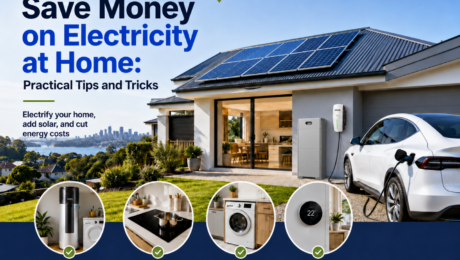
Australian households can save thousands of dollars a year across both energy and transport, by electrifying their home, switching every appliance off fossil fuels and running it on power, and pairing that with rooftop solar.
The smartest approach is to replace gas and inefficient appliances first, then generate and store your own power, and finally tap into the rebates and incentives available across Australia.
If you’re in NSW, this just got far easier: the new Home Energy Saver program offers eligible households zero-interest loans of up to $15,000 to fund upgrades like solar, batteries and efficient electric appliances, so you can spread the cost over ten years instead of paying upfront.
Find the biggest energy users first. Heating, cooling, and hot water typically use the most power in a home. Replace old gas heaters or ageing reverse-cycle units with modern, efficient reverse-cycle air conditioners (heat pumps), and switch from electric-element hot water to a heat pump hot water system that can use up to 75–85% less electricity.
Upgrade your everyday appliances. Smaller swaps add up fast. Move from gas cooktops to induction (faster, safer, more efficient), replace halogen and incandescent globes with LEDs that use far less energy, and use smart plugs to cut standby power, which can quietly account for around 10% of a typical power bill.
Pair electrification with solar and storage. Generating your own electricity is the cornerstone of an all-electric home. A correctly sized rooftop solar system covers your daytime use, while a battery stores excess solar for those expensive peak evening hours.
Use rebates and financing to lower upfront costs. Look into the Small-scale Renewable Energy Scheme (STCs), the Cheaper Home Batteries Program, and state and territory incentives for solar, batteries, heat pumps, and efficient electric upgrades. NSW households can also access the Home Energy Saver program’s interest-free loans of up to $15,000, and later in 2026, discounts of up to $4,000 for lower-income households. Eligibility and approved-product rules vary by location, so always check the current details before you commit.
To work out which upgrades will pay you back fastest, it helps to know whether you own or rent, which gas or electric appliances you currently run, and roughly how much you spend on electricity and gas each quarter. From there, you can prioritise the changes with the best return on investment.
Why Saving Electricity Matters
Saving electricity isn’t just about switching things off. It’s about using power more wisely, so your home stays comfortable without wasting energy in the background.
Every day, electricity use adds up really fast. Hot water, heating, cooling, lighting, appliances, pool equipment, devices, and EV charging can all affect how much power your home uses.
When those systems aren’t efficient, energy can disappear into the background before you even notice it!
Reducing electricity use can help your home:
- Lower day-to-day running costs
- Reduce carbon emissions
- Rely less on grid electricity
- Make better use of solar energy
- Prepare for a cleaner, more efficient energy future
Some changes don’t cost much at all, like turning devices off at the wall or running appliances during the day. Other upgrades, such as solar power, battery storage, and heat pump hot water, deliver much bigger savings over time, and they’re at the heart of home electrification: the process of moving every part of your home off fossil fuels and onto efficient electric systems powered by the sun.
Energy independence is another reason to think differently about electricity. Solar panels allow your home to generate power during the day. A battery lets you store extra solar energy for later, instead of sending it straight back to the grid.
Practical Tips to Save Electricity at Home
Switch to Energy-Efficient Appliances
Old appliances can keep running for years, but they may use a lot more electricity than newer, more efficient models. Fridges, washing machines, dryers, dishwashers, air conditioners, and hot water systems can all have a huge impact on your bill.
When it’s time to replace an appliance, check the Energy Rating Label on the new one and compare the estimated annual energy use. A cheaper appliance isn’t always cheaper if it uses more electricity year after year.
Hot water is one of the biggest areas to look at. iStore heat pumps are designed to heat water by drawing energy from the surrounding air, rather than creating heat from scratch. As a result, they can use 75–85% less electricity than traditional water heaters, making them one of the single most effective electrification upgrades you can make.
Adopt Solar Energy Solutions
Solar panels allow your home to generate electricity from sunlight. For many Australian households, this can reduce the amount of grid electricity used during the day.
A hybrid inverter helps manage that solar energy. It converts solar power into electricity that your home can use, while also working with battery storage.
iStore’s hybrid solar inverters are designed to help your home use solar energy more effectively.
During the day, your home can use the electricity your panels generate. When your system produces more than you need, extra energy can be sent to a compatible iStore battery for later use, rather than exported for a small feed-in payment.
Switch From Gas to Efficient Electric Cooking
If you’re serious about cutting bills and electrifying your home, the kitchen is a great place to act. Replacing a gas cooktop with an induction cooktop is faster, safer, and far more energy-efficient, transferring more of the energy directly into your pots and pans rather than losing it to the air.
When your cooking runs on electricity, it can be powered by your own solar during the day, removing another fossil-fuel connection (and its supply charges) from your home.
Use LED Lighting
Lighting is one of the easiest places to start. Replacing old incandescent, halogen, or fluorescent lights with LED bulbs can quickly reduce electricity use.
LEDs use much less energy than older lighting types, and last longer, so you’ll replace them less often. Start with the lights you use most, such as kitchen lights, living room lamps, bathroom lighting, hallway lights, and outdoor lights.
One bulb might not seem like much. Across the whole home, the savings will add up!
Unplug Unused Devices
Some devices keep using electricity even when they’re not being used. TVs, game consoles, chargers, printers, computers, speakers, and microwaves can all draw standby power.
Switching devices off at the wall helps reduce this waste. Power boards with individual switches can make it easier, especially in living areas, home offices, and charging stations.
Install Smart Thermostats and Sensors
Heating and cooling can use a lot of electricity, especially during hot summers and cooler winter mornings.
Smart thermostats, timers, sensors, and temperature controls can help your systems run only when needed. Motion sensors can also reduce wasted lighting in rooms, hallways, and outdoor areas.
Try setting practical temperature ranges of 22–24 degrees year-round instead of pushing heating or cooling to extremes. Use timers so systems aren’t left running all day. If you’re still heating with gas, swapping to an efficient reverse-cycle air conditioner (heat pump) is one of the highest-impact electrification moves for both comfort and cost.
Maximise Natural Light and Ventilation
Your home may already have natural light and airflow available. The key is using them well.
A few simple habits can help:
- Open blinds during the day instead of turning lights on
- Use cross-flow ventilation when outdoor conditions are comfortable
- Close blinds, curtains, or external shading during hot afternoons
- Let winter sun warm living areas where possible
- Block harsh afternoon sun before rooms overheat in summer
These habits can reduce the need for lighting, fans, and air conditioning.
Insulate Your Home Properly
A poorly insulated home makes heating and cooling systems work harder. Warm air escapes in winter, while hot air finds its way in during summer.
Ceiling insulation, wall insulation, floor insulation, draught sealing, and better window coverings can all help your home hold its temperature far better, so your electric heating and cooling work less to keep you comfortable.
Investing in Renewable and Sustainable Energy Solutions
Solar Power Systems
Solar panels help your home generate electricity from sunlight. That can reduce the amount of grid electricity needed during the day. A hybrid inverter also plays an important role by managing the flow of energy between your solar panels, your home, and your battery. iStore’s hybrid solar inverters are built to support efficient solar energy use, with monitoring, built-in protection, and battery compatibility.
Battery Storage
Your solar panels may produce the most electricity during the day, but your household may use more power in the evening, exactly when grid prices peak. A battery stores excess solar energy so it can be used when your home needs it. iStore’s modular batteries allow you to build a storage setup around your household’s needs, starting from 5 kWh and scaling up to 30 kWh if your energy use calls for it.
Energy-Efficient Water Heating
Hot water can use a lot of electricity, especially in busy households. iStore heat pumps use air-to-energy technology to heat water efficiently, helping reduce reliance on traditional electric water heating. When paired with solar, a heat pump can be scheduled to run during the day, so your home uses more of its own renewable energy.
EV Chargers
Electric vehicles can reduce reliance on petrol, but home charging still needs to be managed carefully. An iStore EV charger can support smarter home charging with Wi-Fi app control, scheduled charging, Dynamic Load Balancing, solar optimisation, fault detection, and temperature sensors. For homes with solar, daytime EV charging can soak up excess solar power instead of drawing more from the grid later, which is where the biggest combined energy-and-transport savings come from.
Benefits of Sustainable Electricity Practices for Australian Homes
Sustainable electricity habits can do so much more than just reduce your power use. They can make your home more comfortable, more efficient, and better suited to Australia’s energy future.
Government incentives can make energy upgrades more affordable. Eligible solar panels, batteries, and heat pumps may qualify for rebates, incentives, or certificate-based discounts.
The Small-scale Renewable Energy Scheme can help reduce upfront costs for eligible renewable systems through Small-scale Technology Certificates, often called STCs. The Cheaper Home Batteries Program may also help eligible households reduce the upfront cost of installing a battery with rooftop solar.
State and territory support varies. Some programs help with solar panels, batteries, heat pumps, insulation, or efficient electric upgrades, and certain states offer interest-free loans to finance upgrades like rooftop solar, batteries, and reverse-cycle air conditioners. Always check current eligibility, location rules, approved products, and installation requirements before making a decision.
Energy-efficient upgrades can also support:
- Lower long-term running costs
- Better comfort across the seasons
- Less reliance on grid power
- Stronger appeal to future home buyers
- Better use of Australia’s sunny climate
Homes with suitable roof space, strong sun exposure, and regular daytime electricity use can really benefit from solar power. Batteries, heat pumps, and smart EV chargers can help make that energy go further.
Using these systems together can reduce pressure on the grid and support a more efficient all-electric home.
NSW spotlight
Spotlight: The NSW Home Energy Saver Program
If you live in NSW, there’s now a standout way to make electrifying your home genuinely affordable. The NSW Government recently launched a $557 million Home Energy Saver program designed to help families lower their power bills by removing the biggest barrier to upgrading: the upfront cost.
Here’s what it offers:
- Zero-interest loans of up to $15,000, available now to households with a combined taxable income of up to $210,000. You pay nothing in interest and can spread the cost over ten years rather than paying upfront. Eligible upgrades include rooftop solar, home batteries, insulation, reverse-cycle air conditioning and more.
- Discounts of up to $4,000, available later in 2026 to households with a combined annual income of up to $80,000, or eligible concession card holders. Renters can access discounts too, with their landlord’s permission.
If you’re eligible for both, the advice is to apply for the discount first, then use a loan to cover the remaining amount.
For example, if your household earns $200,000 and you want a solar and battery system for $10,000, you can borrow the full amount and pay it off interest-free over ten years, all while the system starts lowering your bills from day one.
You can find full details and apply at Energy NSW.
Why Choose iStore for Energy-Efficient Home Products?
Choosing energy-efficient products isn’t just about buying one appliance or adding one solar product. It’s about creating a home energy setup that makes sense as a whole.
iStore gives Australian households access to products that can work together across the main areas of home energy use, from solar generation and storage to hot water, pool heating, and EV charging.
That matters because energy savings often come from the way these systems interact. Your solar panels can generate clean power during the day. Your inverter can help manage that power. Your battery can store extra energy for later. Your heat pump can reduce the electricity needed for hot water. Your EV charger can help you charge more intelligently at home.
With iStore, you’re not just looking at isolated products. You’re building a more efficient home energy system that can grow with your needs.
iStore products may also be eligible for government rebates, incentives, or STC discounts, depending on your location, installer, product type, and current scheme rules. That can help make energy-efficient upgrades more affordable from the start.
There’s also support available when the technical details feel a little much. Inverters, batteries, kilowatt-hours, STCs, EV charging, load balancing, and heat pump sizing can raise plenty of questions.
iStore provides product information, installer support, and practical guidance to help you choose a setup that suits your home, your energy use, and your long-term savings goals.
iStore provides product information, installer support, and practical guidance to help households choose systems that suit their needs. The right setup can make a real difference to comfort, savings, and long-term performance.
FAQs About How Can We Save Electricity at Home
What Are the Best Ways to Save Electricity at Home?
The best ways include switching to energy-efficient appliances, using LED lighting, turning off unused devices, improving insulation, using natural light, installing solar panels, adding battery storage, and choosing efficient hot water systems like heat pumps.
What Changes Can I Make To Reduce My Electricity Bills?
Start with simple habits like switching lights off, turning devices off at the wall, washing clothes in cold water, running full loads, using timers, and reducing unnecessary heating and cooling.
For bigger savings, consider solar panels, battery storage, insulation, efficient appliances, and a heat pump hot water system.
What Is Home Electrification and How Does It Save Money?
Home electrification means replacing fossil-fuel appliances, like gas heaters, gas hot water, and gas cooktops, with efficient electric alternatives such as heat pumps, reverse-cycle air conditioners, and induction cooktops. When powered by rooftop solar, these systems can dramatically cut both your energy and transport costs, and remove gas supply charges altogether.
Can I Get an Interest-Free Loan to Electrify My Home in NSW?
Yes. The NSW Government’s Home Energy Saver program offers eligible households zero-interest loans of up to $15,000 to install energy-saving upgrades such as rooftop solar, batteries and efficient electric appliances, repayable over ten years. Households with a combined taxable income of up to $210,000 can apply now, and lower-income households may also qualify for discounts of up to $4,000 later in 2026. With iStore, you can plan solar, storage, hot water and EV charging together, potentially within that $15,000 loan, subject to your installer’s pricing and current eligibility rules.
How Can Solar Power Help Save Energy at Home?
Solar panels generate electricity from sunlight, so your home can use less grid power during the day. A hybrid inverter helps manage that energy, while a battery can store excess solar power for later use.
Are Energy-Efficient Appliances Worth the Investment?
Yes, without a doubt! Energy-efficient appliances can cost less to run over time, especially for products used every day, like fridges, washing machines, dishwashers, air conditioners, and hot water systems.
Can Smart Devices Help Reduce Energy Consumption?
Yes. Smart thermostats, timers, motion sensors, smart plugs, EV chargers, and solar monitoring tools can help reduce waste by running systems only when needed and making better use of available solar power.
Transform Your Home’s Energy Efficiency with iStore
Every wasted watt is power your home didn’t need to use. The good news? Once you know where that waste is coming from, you can start making smarter choices that actually fit the way you live.
From simple habits to bigger upgrades like solar power, inverters, battery storage, heat-pump hot water, pool heating, and EV charging, there are plenty of ways to make your home more efficient and electrified without sacrificing comfort.
iStore helps Australian households take that next step with energy-efficient products designed to work together. Generate more of your own power, store it for later, heat water more efficiently, and use electricity in a smarter way across your home.
Explore iStore’s energy-efficient products today and start saving electricity while living more sustainably. Contact us now to learn more!
Contact iStore- Published in General
Real-Time Solar Monitoring With the iStore App
Solar systems do a lot of work you never see. With solar monitoring, suddenly it’s all visible: when your panels peak, when your home draws the most power, and how your battery behaves throughout the day. It’s the clarity solar owners wish they had from day one.
And with the iStore Solar Monitoring App, all that information sits in one clean, easy-to-read dashboard that helps you boost efficiency and cut energy costs without any guesswork.
Let’s take a closer look at how solar monitoring helps you read your home’s energy patterns and how iStore turns those insights into smarter power use.
What Is Solar Monitoring?
Solar monitoring is simply the process of keeping track of what your solar system is doing—how much energy your panels are generating, how much your household is using, and (if you have batteries) how much energy you’re storing or drawing throughout the day.
A good solar monitoring system helps you answer questions like:
- How much energy did my panels make today?
- What time of day does my home use the most power?
- Is my battery charging and discharging properly?
- Am I getting the most value from my solar setup?
With the iStore Solar App, all of this information comes straight from your system. The app connects to iStore’s solar inverters and batteries, giving you accurate, real-time data that’s easy to understand—even if you’re not a tech person.
Why Is Solar Monitoring Important?
Solar monitoring isn’t just “nice to have”—it genuinely helps you use your solar system better.
Here’s why it makes a difference:
- Save Money: When you know exactly when your solar production peaks, you can schedule high-energy tasks (like laundry or dishwashing) during those hours. That means less grid reliance and a lower bill.
- Optimise Energy Use: Monitoring helps you maximise the energy you already produce. Instead of wasting excess solar, you can put it to better use in your home or storage system.
- Track System Health: A drop in production often means something needs attention—shading, debris, or a system fault. Monitoring helps you catch issues early, before they affect your energy savings.
- Sustainability: The more solar energy you use and the less grid power you need, the smaller your carbon footprint becomes. Solar monitoring makes it easy to understand your impact and adjust your habits accordingly.
Features of the iStore Solar Monitoring App
The iStore Solar App is packed with tools designed to help homeowners understand their solar performance without feeling overwhelmed.
The real value comes from features like:
Real-Time Data
See exactly what’s happening right now—your solar output, battery level, and how much energy your home is using in the moment. Spot patterns instantly and make smarter, energy-saving decisions on the fly. No more guessing where your energy is going.
Historical Energy Trends
Curious how your system performed last week or during a heatwave? The app logs detailed reports, letting you track long-term efficiency, seasonal changes, and even compare periods to optimise your setup over time.
Custom Notifications
Stay in the loop with alerts that actually matter—like unusual production dips, high overnight energy use, or system maintenance reminders. With these notifications, you’ll always stay one step ahead of potential issues.
User-Friendly Interface
No confusing menus, overwhelming data, or hard-to-read dashboards. Clean graphs, intuitive icons, and a well-organised layout make monitoring your energy simple and stress-free for everyone in the household.
Remote Access
Whether you’re at work, on vacation, or halfway across the world, your system is just a tap away. Monitor and manage everything from your phone or desktop with ease, keeping your energy use in check wherever life takes you.
AI-Enhanced Insights
The app doesn’t just monitor—it learns. Using AI, it analyses your energy habits and provides personalised tips to improve efficiency. From suggesting the best times to run appliances to flagging areas of waste, it helps you get the most out of your solar investment.
How iStore’s Solar Monitoring App Works
The iStore app integrates directly with iStore’s solar inverters, batteries, and even EV chargers to give you a full picture of your energy system in one place. Let’s take a look at what happens behind the scenes:
Once your installer connects your system, the app starts reading data directly from your inverter and battery—ensuring accuracy and real-time updates.
The app collects information on:
- Solar production
- Home energy consumption
- Battery charge and discharge
- Grid imports and exports
It’s everything you need to understand how your solar system performs throughout the day.
As the iStore Solar App learns your energy habits and production patterns, it offers tailored suggestions to optimise performance and maximise savings. These recommendations are based on your unique data. For example, the app might suggest running high-energy appliances when solar production is at its peak. It can also help you improve how your system handles these peak hours to make the most of every ray of sunshine.
Not home? No problem. Adjust settings, track performance, or check system health even when you’re away.
This makes the app one of the easiest ways to learn how to monitor solar panels and understand your energy flow in real time.
Benefits of iStore’s Solar Monitoring for Homeowners
Using the iStore Solar App brings a whole new level of control to your home energy system.
- Energy Independence: Real-time visibility into your solar system allows you to rely more on your own energy production and less on the grid, giving you greater control over your power usage and costs.
- Improved ROI: By monitoring your solar energy usage and efficiency, you can maximise the output of your system, ensuring it pays for itself faster. Monitoring tools help you optimise every kilowatt produced.
- Peace of Mind: Stay informed about your solar system’s performance at all times. Monitoring eliminates guesswork and surprise charges by alerting you instantly if there’s an issue that needs attention.
- Adds Value to Your Solar Investment: Intelligent monitoring not only showcases your system’s performance and savings but also highlights its long-term health, making your solar setup more appealing to potential buyers or homeowners.
Intelligent monitoring isn’t just about investing in solar energy—it’s about investing in your own confidence, efficiency, and peace of mind. Start maximising the value of your solar system today.
FAQs
How Does a Solar Monitoring System Work?
A solar monitoring system collects data from your solar inverter and battery (if you have one) and transmits that information to an app or online platform. The system tracks your solar panel production, home energy consumption, battery performance, and any system alerts or potential issues. This real-time data allows you to monitor how efficiently your system is operating, identify patterns, and make adjustments to optimise energy usage.
Can I Monitor My Solar Panels Remotely?
Yes, you can monitor your solar panels remotely as long as you have an internet connection on your phone, tablet, or computer, you can access detailed insights into your solar system’s performance from anywhere. This includes checking your energy production and usage, receiving system updates, and even getting notified of potential issues no matter where you are.
Is Solar Monitoring Worth It for Smaller Systems?
Absolutely. Solar monitoring is beneficial for systems of all sizes. Smaller systems can still gain valuable insights by tracking energy production and consumption. It shows you how to use your solar power more efficiently, such as running appliances during peak solar production hours. Even small adjustments based on this data can lead to noticeable reductions in your electricity bills over time.
What Data Can I See with a Solar Monitoring App?
A solar monitoring app gives you a clear, real-time view of how your entire system is performing. You can see how much energy your panels produce, how much your home uses, and how your battery charges or discharges throughout the day. It also shows your grid activity—what you’re importing or exporting—along with helpful trends across days, weeks, and months.
How Is Solar Monitoring Different from Smart Meters?
Smart meters measure the electricity you import from or export to the grid. In contrast, solar monitoring systems offer a more comprehensive view of your energy ecosystem. They provide real-time data on your solar production, home energy usage, and battery storage levels.
While a smart meter only shows part of the picture, a solar monitoring system offers actionable insights to help you make smarter energy decisions and gives you a full understanding of your system’s performance.
Take Charge of Your Energy With iStore’s Solar Monitoring App
Solar monitoring puts the power back in your hands—literally. With real-time insights, AI-powered suggestions, and easy-to-read data, the iStore app helps you get more from your solar investment every single day.
Whether you want to save money, boost efficiency, or simply get a clearer picture of your energy use, the app makes managing your solar system simple and stress-free.
Get started today—just grab the iStore Solar App from the App Store here or Google Play here and you’ll be monitoring your solar in no time.
- Published in General
Manage Your Energy With iStore’s Solar App
Stop guessing and start knowing. If you’ve ever felt like your solar system is running on a wing and a prayer, the iStore Solar App is your control tower. It gives you the full, real-time picture of your energy story, answering the big questions: How much energy are you making? And where exactly is it all going?
For energy-smart homeowners, this transparency is a total game-changer. You can track solar production, monitor usage, and check your battery performance—all from the palm of your hand. No more estimates or surprises; just the smart data you need to truly master your energy efficiency.
The iStore Solar App puts simple, powerful tools in your pocket so everything finally clicks. Ready to get the most out of your solar setup?
What Is the iStore Solar App?
The iStore Solar App is your home’s energy dashboard. Its whole purpose is to help you monitor and manage your solar energy system in a way that actually makes sense. Instead of guessing how your setup is performing, the app shows you a clear breakdown of what’s happening in real time.
It connects directly with iStore solar inverters and batteries, so the information you see comes straight from your system. No complicated setup, no clunky external tools—just smooth, built-in compatibility that keeps everything up to date automatically.
Once connected, the app gives you live data for energy production, storage, and consumption.
It’s a simple, intuitive way to understand your solar system without needing to be a tech expert. The app turns real-time data into insights you can actually use, helping you run your home more efficiently and get more value from every bit of sunshine.
Key Features of the iStore Solar App
Real-Time Monitoring
You get a live view of how your solar system is performing at any moment. The app shows your current energy production, how much power your home is using, and how much charge your battery has—so you always know exactly where your energy is going.
Energy Usage Insights
Understanding your energy habits becomes a lot easier with clear daily, weekly, and monthly breakdowns. You can spot patterns, see when your usage spikes, and find simple ways to shift more of your power needs to solar instead of the grid.
Custom Alerts and Notifications
The app keeps an eye on your system for you. You’ll get alerts if something changes, if performance drops, or if there’s an opportunity to improve efficiency. These notifications make it easy to stay informed without checking the app all day.
Remote Control
Whether you’re at home or out and about, you can adjust your system’s settings right from your phone. Switch between modes, manage charging behaviour, or tweak preferences with just a few taps.
Integration With Solar Systems
The app is designed to work perfectly with iStore inverters and batteries. That means smoother communication, accurate readings, and better optimisation—everything updates instantly because it’s all built to work together.
User-Friendly Interface
The layout is clean, simple, and easy to navigate. Even if you’re new to solar, the app makes everything clear and easy to manage. You can follow your energy flow at a glance without hunting through complicated menus.
Benefits of Using the iStore Solar App
The iStore smart solar monitoring App isn’t just a monitoring tool—it’s a simple way to use your solar system smarter, save more, and stay in control. Here’s how it helps you get more out of your energy every day:
- Optimised energy usage:
Real-time insights make it easier to understand how your home uses power. You can quickly see when your solar is producing the most energy and shift more of your daily tasks—like running the dishwasher or charging devices—to those times. - Cost savings:
When you know exactly where your energy is going, it’s easier to cut back on grid usage. Small changes in habits can lead to noticeable savings on your electricity bill, and the app makes those choices clearer. - Sustainability:
Using more of your own solar energy reduces your carbon footprint and helps you rely less on fossil-fuel-based electricity. It’s an easy way to make your home greener without changing your daily routine. - Convenience:
You don’t need to be at home—or even near your inverter—to see how your system is performing. The app lets you check everything from your phone and make quick adjustments anytime, anywhere. - System longevity:
Performance alerts and system updates help you catch dips in efficiency early. By staying informed, you can keep your solar setup running smoothly and extend the life of your equipment.
How to Set Up and Use the iStore Solar App
Getting started with the iStore Solar App is quick and straightforward. Once it’s set up, you’ll have a full view of your home’s energy at your fingertips.
Setting Up the App
- Download the app: Grab it from the App Store or Google Play and install it like any other mobile app.
- Create your account: Open the app and follow the prompts to set up your login. This gives you secure access to your system.
- Connect to your iStore inverter or battery: The app will guide you through pairing with your system. Just follow the on-screen steps. Once connected, the app pulls live data straight from your iStore inverter and battery.
Using the Dashboard
The dashboard is where you’ll spend most of your time. It’s simple, visual, and easy to understand.
- Energy production: See how much solar power your panels are making right now.
- Energy consumption: Track how much power your home is using and when usage tends to spike.
- Battery storage: Check your current battery level and see how much stored energy is available.
These numbers help you understand your daily habits. Over time, you’ll spot patterns that can help you shift more of your energy use to solar and reduce your reliance on the grid.
Customising Alerts and Settings
The app lets you set up personalised alerts so you never miss something important.
- Get notified when your system performance changes.
- Receive tips when there’s a chance to use more of your own solar energy.
- Set reminders for maintenance or updates.
You can adjust these notifications anytime, so the app only sends what’s helpful to you.
Why Choose the iStore Solar App Over Others?
With so many solar monitoring apps out there, you might wonder what makes the iStore Solar App stand out. Here’s why it’s a favourite for homeowners using iStore systems.
Integration With iStore Products
The app is built to work perfectly with iStore inverters and batteries. That means you get smoother performance, more accurate data, and quicker updates because everything is designed to talk to each other without glitches or delays.
Advanced AI Monitoring
The iStore Solar App uses smart AI tools to track how your system performs over time. Instead of just showing raw numbers, it highlights patterns, efficiency drops, and opportunities to use your energy better—making it easier to stay on top of your system’s health.
Australian Standards
The app is made with Australian homes in mind. It’s built to handle local weather conditions, energy habits, and grid expectations. Plus, you’re not dealing with overseas support or features that don’t apply here.
Customer Support
Our local support team is always here to help with anything you need—whether it’s the app, your inverter, or your battery setup. To speak to someone directly, you can reach us at 1300 552 619.
FAQs
What Does a Solar App Do?
Solar panel monitoring apps give you a clear look at how your solar setup is performing. It shows how much energy your panels produce, how much your home uses, and how your battery charges or discharges.
The best apps for solar energy monitoring, like the iStore Solar App, also highlight trends and simple insights to help you use your energy more efficiently. It’s basically your real-time guide to understanding and improving your solar performance.
Can I Monitor My Solar Panels With an App?
Yes, a solar app is one of the easiest ways to keep an eye on your system. With the iStore Solar App, you can check your solar production, battery charge, and home energy usage anytime from your phone.
It updates in real time, so you always know how well your panels are performing—whether you’re home or away. This makes it easy to spot issues early, track sunny-day performance, and get more out of your solar energy.
How Does the iStore Solar App Save Money?
The app helps you see exactly when your solar panels are producing the most energy. When you know those peak times, you can run more of your appliances during those hours and use less grid power. The more you use your own solar power—and the less you draw from the grid—the lower your bills become. Small changes add up fast.
Is the iStore Solar App Compatible With All Solar Systems?
The app is designed specifically for iStore inverters and batteries. While it won’t connect to every solar brand, the benefit is that you get accurate, seamless data when using iStore products.
How Do I Set Up Alerts in the iStore Solar App?
You can turn on alerts in the app settings. Just choose the notifications you want—performance updates, efficiency tips, or system changes—and the app sends them straight to your phone. You can tweak or turn them off anytime.
Take Control of Your Energy With iStore’s Solar App
The iStore Solar App gives you a simple way to understand your energy and use it smarter. You get real-time data, clearer insights, and tools that help you save money while making the most of your solar setup.
It takes the guesswork out of managing your system. You can check everything from your phone, adjust settings, and keep an eye on performance without lifting more than a finger. It’s an easy way to run your home more efficiently and more sustainably.
Take charge of your energy and your savings—download the iStore Solar App from the App Store here or Google Play here and get started in seconds.
- Published in General
How a Solar Pool Heater Works: An Easy Guide for Homeowners
Here in Australia, you already know the weather can be hot one week and chilly the next — and that can make year-round swimming a bit tricky. Add rising energy prices into the mix, and running a gas or electric pool heater can feel like you’re burning money. That’s why so many homeowners are looking for a greener, cheaper way to keep their pool warm.
Solar pool heating is one of the easiest and most eco-friendly ways to heat your pool because it uses something you already get for free every day: sunlight. With the right setup, you can enjoy warmer water, lower bills, and a longer swimming season — all without relying heavily on electricity or gas.
But before making the switch, most people want to know the basics: How does a solar pool heater work, and is it really that simple? Let’s break it down.
What Is a Solar Pool Heater?
A solar pool heater is an easy way to warm your pool using only the sun. It sends pool water through solar collectors—panels or matting on the roof—where it absorbs heat before returning to the pool.
While often confused with solar electricity panels, solar pool heaters work differently, directly heating water as it flows through the system.
A typical system includes:
- Solar collectors that absorb heat from the sun.
- A pump to circulate water.
- A filter to keep water clean.
- Valves or a controller to regulate water flow.
These components create a simple, renewable heating cycle powered by free solar energy. If you want a more comfortable pool and lower bills, solar heating is a smart upgrade!
At iStore, we help homeowners choose energy-efficient solutions. Our pool heaters are designed to work seamlessly with solar-powered homes to keep running costs down. They use a titanium thread heat exchanger that delivers around 30% higher heating efficiency than standard models, giving you faster, more effective heating. It’s a setup that works perfectly with solar, so you get warm water without the big energy bill.
How Does a Solar Pool Heater Work?
If you’ve ever been curious about the mechanics of a solar pool heater, the process is surprisingly simple.
1. Solar Energy Capture: It all starts with the solar collectors. These sit in the sun (usually on your roof) and warm up throughout the day. As your pool pump pushes water through the collectors, the sun’s heat transfers directly into the water.
2. Water Flow Through the Collectors: Your pool pump keeps things moving. Water gets pulled from the pool, passes through the filter, and then heads up into the solar collectors. The tubing in those collectors is thin and exposed to sunlight, which helps the water heat up quickly as it flows through.
3. Warm Water Returns to the Pool: After the water has picked up heat, it flows right back into your pool. It’s a steady cycle — the longer it runs, the warmer your water gets. Since the sun is doing the heavy lifting, you’re heating your pool without the usual energy costs.
The beauty of solar heating is how simple and efficient it is. No complicated machinery. No big energy bills. Just clean, natural heat.
At iStore, we focus on eco-friendly heating solutions that work beautifully alongside solar setups. Our technology is designed to help you get the most out of every sunny day, so you can enjoy consistent, comfortable pool temperatures with minimal running costs.
Benefits of Using a Solar Pool Heater
Switching to a solar pool heater comes with a long list of perks — and most of them start showing up right away.
- Energy Savings: The biggest win? The energy is free! That means your pool stays warm without relying heavily on electricity or gas. Once your system is installed, the running costs stay incredibly low.
- Sustainability: If you want to lighten your carbon footprint, switching to solar heating is an easy way to make your pool setup better for the planet. You’re tapping into renewable energy instead of burning through fossil fuels every time you want a warm swim.
- Cost-Effectiveness: Yes, there’s an upfront cost — but solar pool heaters usually pay themselves off over time. By cutting down your energy bills season after season, the long-term savings can easily outweigh the installation price.
- Low Maintenance: Solar heating systems are known for being tough, reliable, and no fuss. Other than the occasional check for debris or wear, they don’t need much from you to keep running well.
- Year-Round Comfort: More warmth equals more swimming. A solar heater helps extend your swimming season, giving you comfortable water for more months of the year — especially when paired with an energy-efficient iStore setup.
Cost and Efficiency of Solar Pool Heaters
Solar pool heaters are a smart investment for pool owners looking to cut energy costs and promote sustainability. Installation costs range from $4,500 to $10,500 AUD, depending on pool size and setup complexity. While the upfront cost may seem high, solar heaters are highly cost-effective in the long run, since they use free solar energy.
Compared to traditional heaters, solar systems are more efficient and eco-friendly, reducing energy costs and emissions. Built to last 10–20 years or more, they offer excellent long-term value with minimal maintenance needs, lowering ongoing expenses further.
Some states and local councils offer rebates or incentives for solar installations, so it’s worth checking what’s available in your area.
Installation Tips for Solar Pool Heaters </h2>
A solar pool heater works best when it’s installed correctly, so getting professional help is well worth it. Proper setup makes a big difference in performance, especially if you want consistent heating throughout the season.
Here are a few things to consider before installing a system:
- Pool size and location: Larger pools need more collector area, and shaded pools may require a slightly bigger setup to keep temperatures steady.
- Sun exposure: The more direct sun your collectors get, the better. Roofs facing north typically deliver the best results in Australia.
- Collector placement: Collectors should sit on a stable, sunny surface — usually the roof — but some homes use ground mounts if the orientation is better.
A professional installer will measure all of this for you and recommend a setup that matches your pool and climate.
Our professional team at iStore supports homeowners and installers with clear guidance, technical info, and heating options built for Australian conditions. Whether you’re installing a new pool or upgrading an old system, we’re here to help you get the best performance from your solar-friendly setup.
Maintaining Your Solar Pool Heater
Solar pool heaters are low-maintenance, but a few quick checks can help keep everything running smoothly. Most of the work is simple and doesn’t take much time.
Here are the basics to stay on top of:
- Check the collectors regularly. Look for leaves, dirt, or anything blocking sunlight. Give them a quick rinse if they look dusty.
- Inspect the pump and filter. Make sure water is flowing well, and the filter isn’t clogged.
- Watch for leaks or loose fittings. A quick visual check can catch small issues early.
- Keep an eye on performance. If the water isn’t warming as it normally does, it may be time for a professional checkup.
Because solar systems have very few moving parts, major problems are uncommon. And if something does need attention, our team at iStore offers resources and support to help homeowners and installers keep their systems in great shape.
FAQs
How Does a Solar Pool Heater Work During Cloudy Days?
A solar heater can still warm your pool on cloudy days, just at a slower rate. The collectors absorb diffused sunlight, which means they’re still picking up heat even without direct sun. You might need to run the system longer, and the water may rise only a degree or two that day. Many homeowners also pair their setup with a pool cover to trap more heat when the weather isn’t ideal.
How Long Does It Take for a Solar Pool Heater to Warm a Pool?
Most pools warm up gradually over 3–5 days of sunny weather. The exact time depends on your pool size, how much sun the collectors get, and whether you’re using a pool cover. Once you reach your ideal temperature, the system mainly works to maintain it. For the fastest results, running the pump during peak sunlight hours makes a noticeable difference.
Is a Solar Pool Heater Worth the Investment?
For most homeowners, yes. You’re paying for the installation upfront, but after that, your ongoing costs are extremely low. Many families save hundreds of dollars a year compared to gas or electric heating because the sun does all the work. Solar heating also adds value to your home, helps you rely less on the grid, and extends your swimming season without stressing over energy costs.
Can Solar Panels Be Used to Heat a Pool?
Yes — but not your regular rooftop solar panels. Pool heating systems use solar thermal collectors, which are designed to move water through them and transfer heat quickly. Your standard solar PV panels are built to produce electricity, not heat water. So while both use sunlight, they serve very different purposes.
What Is the Lifespan of a Solar Pool Heating System?
Most systems last 10–20 years, and many go even longer with basic upkeep. The collectors are built to handle harsh sunlight, wind, and changing temperatures. Pumps and valves may need occasional servicing, but major repairs are rare. A quick yearly check is usually enough to keep everything running well.
Switch to a Solar Pool Heater With iStore for Year-Round Comfor
Switching to solar heating transforms how you enjoy your pool. Say goodbye to rising energy bills and choose warm, sun-powered water—simple, reliable, and budget-friendly. It’s an upgrade that pays off every season.
At iStore, we make energy-smart heating easy for Australian homeowners. Our pool heating solutions work seamlessly with solar-powered homes, providing warm water for more of the year. Built for efficiency, durability, and long-term value, they’re designed for Australian conditions.
Ready to enjoy your pool without high energy costs? Explore iStore’s pool heating options and extend your swim season sustainably.
- Published in General
Innovative Swimming Pool Solar Heating for Builders

Solar pool heating works by harnessing the sun’s energy to heat pool water efficiently, using advanced technology to maximize performance and durability.
For builders and developers, solar pool heating represents a forward‑thinking investment in sustainability. Homeowners increasingly expect eco‑friendly features such as solar heating systems and heat pumps that lower household energy use.
This blog explores how swimming pool solar heating works, the key benefits for both homeowners and builders, and how iStore’s pool heating solutions deliver superior performance and reliability for year‑round comfort.
How Does Swimming Pool Solar Heating Work?
At its core, a solar pool heating system turns sunlight into free thermal energy. The process is straightforward yet incredibly effective, combining renewable solar power with advanced pool heating technology to provide consistently warm water for your swimming pool.
The Process Explained
- Solar collectors — usually mounted on a roof or nearby structure — absorb heat from the sun. These panels are made from durable, UV‑resistant materials designed specifically for pool heating systems.
- Pool water is pumped through the collectors, absorbing captured solar heat before returning to the pool at a higher temperature.
- As the cycle repeats, the water gradually warms until your pool water reaches the desired temperature — creating a comfortably heated pool ready for your next swim. This system helps maintain the pool’s temperature for optimal comfort and energy efficiency.
Heat Pumps and Hybrid Efficiency
Modern systems often combine solar heating with heat pump technology for even better efficiency. A heat pump extracts additional heat from the surrounding air, ensuring effective heating even on cooler or cloudy days.
iStore’s pool heaters take this to the next level, featuring a titanium thread heat exchanger that delivers up to 30% higher heating efficiency than standard models. This design boosts performance, shortens heating times, and reduces overall energy costs, making it ideal for both residential and commercial pool heating systems.
Regular maintenance and proper setup help keep your system running smoothly for years to come.
Benefits of Solar Pool Heating Systems
A solar pool heater offers much more than just warm water, it’s a gateway to energy efficiency, cost savings, and the enjoyment of a longer swimming season, as well as environmental sustainability.
Energy Efficiency
Compared to gas or electric pool heaters, solar pool heating systems rely primarily on sunlight, an abundant and free energy source. Once installed, they operate with minimal electricity to pump water through the system, saving up to 80% on energy usage.
When paired with an iStore heat pump, these systems achieve impressive efficiency, using every ounce of available solar energy to heat and maintain your pools at the perfect temperature.
Cost Savings
While the upfront cost of installation is higher than conventional pool heating systems, the long‑term savings outweigh the investment. Owners benefit from drastically lower ongoing energy bills, and because solar energy is free, operating costs remain minimal year after year.
For developers and builders, integrating solar pool heating creates a strong sustainability feature that boosts property value and long‑term customer satisfaction. Choosing quality products, especially Australian Made options, is essential for reliable performance and maximum savings.
Eco‑Friendliness
Choosing solar heating greatly reduces reliance on gas and electricity from non‑renewable sources. Lowering your carbon emissions contributes to a cleaner environment while positioning your projects as eco‑friendly and future‑ready.
Integrating a solar system for pool heating further reduces environmental impact and reliance on non-renewable energy.
Year‑Round Comfort
Australia’s climate makes solar pool heating a practical option for year‑round enjoyment. The latest iStore solar pool heaters and heat pumps perform efficiently even in cooler months, maintaining a warm, comfortable swimming pool temperature no matter the season.
With smart energy management systems, users can enjoy consistent comfort, perfect for hotels, residential developments, or backyard pools demanding reliability and luxury, while also extending the swim season for more months of enjoyable swimming.
Why Builders Should Choose Solar Pool Heating for Sustainable Projects
As homeowners grow more aware of energy efficiency and sustainability, builders are increasingly prioritising eco‑friendly systems in new constructions. It is also important to choose a reputable company with experience in solar pool heating installation to ensure quality and reliable service.
Meeting Modern Sustainability Standards
Including a solar pool heating system aligns with Australia’s push for renewable energy and reduced carbon output. Properties featuring solar heating or heat pumps are more attractive to buyers who want efficient and low‑maintenance comfort.
Boosting Property Value
Homes with solar pool heating often achieve higher resale values. Buyers recognise the long‑term savings and lower energy bills associated with these systems, making them a desirable feature in both residential and commercial settings.
Easy Integration for Builders
iStore’s pool heaters are designed for professional installation and smooth integration into modern architectural designs. These systems can also be installed on existing pools, making them a versatile solution for both new and older properties. They seamlessly fit into a property’s existing solar power system, allowing builders to include a sustainable luxury feature without complex reconfiguration.
By offering solar pool heating, construction professionals can set their projects apart while aligning with the increasing consumer demand for sustainable living.
Features of iStore Pool Heating Solutions
iStore leads innovation in solar‑compatible pool heating systems, providing durable, efficient, and smart technology that benefits both homeowners and builders. iStore systems are also designed for easy installation, ensuring a hassle-free setup for builders and homeowners.
Titanium Thread Heat Exchanger
iStore’s advanced titanium thread heat exchanger transfers heat to pool water more effectively than standard materials. This technology accelerates the heating process and provides better corrosion resistance, ideal for saltwater and chlorinated pools.
Energy‑Saving Design
Each iStore pool heating system is engineered for low energy consumption and high efficiency. Compatible with existing solar PV systems, they use renewable energy to maintain water temperature without driving up energy bills. iStore systems are also engineered to maximize efficiency even when roof space is limited, making them suitable for a wide range of installation scenarios.
Smart functionality allows the system to operate automatically when solar power is available, further increasing cost‑effectiveness and sustainability.
Durability and Reliability
Built to meet strict Australian standards, every iStore pool heater provides dependable performance and long‑term durability. These systems are crafted with corrosion‑resistant materials and eco‑friendly heat pump technology, ensuring years of reliable use with minimal maintenance. iStore systems can be installed without drilling or gluing roof tiles, using secure fasteners to protect the integrity of your roof.
Flexible Applications
From compact residential pools to large commercial pools, iStore’s range adapts easily to different pool sizes and installation environments. To ensure optimal heating performance, the system is sized according to the pool surface area, matching the collector area to the pool’s surface for effective heat transfer. This flexibility makes them a preferred choice for builders seeking scalable pool heating solutions that meet varied project needs.
Installation Tips for Solar Pool Heating Systems
Proper installation is key to achieving optimal efficiency and longevity from your solar pool heating system.
Professional Installation Matters
Although it may be tempting to attempt a DIY setup, professional installation ensures correct plumbing, pump selection, and system orientation for maximum solar gain. Certified installers understand flow rates, roof angles, and pool size which are crucial factors for effective heating performance.
iStore works closely with installers, providing technical resources, manuals, and commissioning support to guarantee perfect setup and long‑term satisfaction for end users.
Factors to Consider
- Pool Size: Larger pools need bigger collector surface areas and more powerful pumps to guarantee even heating throughout the system. For efficient heating, the solar collector surface area (measured in square metres) should closely match the pool’s surface area.
- Location: Where the solar collectors are placed (orientation, shading, and tilt) directly affects overall efficiency. It’s important to consider the available space on roofs for installing solar collectors to maximize solar energy capture.
- Energy Needs: Combining solar with an iStore heat pump ensures consistent warm water even during cloudy or colder days.
- Maintenance: Though solar heating systems need minimal upkeep, periodic cleaning and flow checks ensure the best performance over time.
Builders and installers can rely on iStore’s trained support team to supply guidance from installation through to commissioning and aftercare, reducing costs and build times while ensuring premium system performance.
FAQs
How much does solar pool heating cost?
The cost of installing a solar pool heating system varies depending on pool size, collector area, and local climate. On average, Australian homeowners spend between $3,500 and $7,000 including professional installation. When combined with an iStore heat pump, the setup delivers fast payback through lower energy bills and minimal running costs.
How long does it take to heat a pool with solar power?
Most solar pool heaters can raise pool water temperature by 5–7°C over several days, depending on sunlight and ambient temperature. Once optimal heat levels are achieved, maintaining a consistently heated pool requires minimal additional energy.
Are solar pool heaters worth it?
Yes. Solar pool heaters significantly reduce energy bills, require little maintenance, and offer excellent efficiency and lifespan (often 15–20 years). When paired with a heat pump, their performance remains reliable year‑round, making them a cost‑effective and eco‑friendly investment.
Can solar pool heating work in winter?
Absolutely. While solar heating depends on available sunlight, combining collectors with an iStore heat pump ensures continuous pool heating in cooler months. This hybrid approach extends your swimming season and maintains warm water temperatures even in winter.
Transform Pools with iStore’s Solar Heating Solutions
The advantages of swimming pool solar heating go far beyond energy savings. Builders and property owners gain a renewable, efficient, and eco‑friendly solution that enhances comfort, ensures year‑round use, and aligns with Australia’s sustainability goals.
iStore’s innovative solar pool heaters combine heat pump technology, a titanium thread heat exchanger, and compatibility with solar PV systems to deliver faster, cleaner, and more consistent pool heating.
For modern builders seeking high‑performance, cost‑effective energy solutions that impress clients and boost project value, iStore leads the way.
Explore iStore’s range of solar‑powered pool heaters today and create energy‑efficient swimming pools for your next project! Call 1300 515 640 or fill out this online form, and we’ll be in touch soon.
We can also help you if you’re thinking of switching to solar for even more savings and sustainability.
- Published in General
Solar Heat Pump: A Sustainable and Cost‑Effective Energy Solution
A solar heat pump is one of the smartest energy technologies currently transforming Australian households. By combining solar energy and modern heat pump technology, it delivers reliable heating for your home or water heater while dramatically reducing electricity usage.
This hybrid system takes the best of both worlds, harnessing abundant sunlight through solar panels and extracting natural heat from the surrounding air to provide a cost‑effective, environmentally responsible, and highly energy‑efficient way to heat water or even air.
For homeowners concerned about rising energy bills or wanting to shrink their reliance on fossil fuels, the solar heat pump presents a practical solution. By decreasing household carbon emissions and energy consumption, a solar heat pump also helps in decreasing your overall carbon footprint. In this guide, we explore how the system works, its many advantages, what to consider before installation, and how iStore’s solar heat pump range can help your household transition to clean energy more affordably.
What is a Solar Heat Pump and How Does It Work?
A solar heat pump integrates two renewable technologies, a solar PV system and a hot water heat pump. Together, they create a powerful process that redefines household energy consumption.
Here’s how it works:
- Solar panels (the PV components) generate electricity from sunlight. These panels can be installed on the roof or as ground-mounted systems, depending on your property.
- That solar electricity powers the hot water heat pump, which is operated using renewable energy sources such as solar power, and then extracts thermal energy from the ambient air.
- The hot water heat pump transfers this low‑grade heat energy into your home’s hot water system, effectively heating water for daily use with minimal dependency on grid electricity.
Alternatively, a solar hot water system uses solar collectors, which may include flat panels or tubes (such as vacuum tubes or collector tubes), to capture heat directly from the sun and transfer it to your water supply.
The combination of these systems multiplies efficiency, you’re not only using the sun’s power to run the hot water heat pump, but you’re also capturing free heat from the environment.
iStore’s advanced heat pumps are expertly designed to integrate with existing solar PV systems, making them ideal for Australian households that already have panels installed. This pairing maximises efficiency, reduces running costs, and ensures consistent performance no matter your location or energy needs.
Benefits of Using a Solar Heat Pump
A solar heat pump offers significant advantages in energy efficiency, cost savings, and environmental performance. By integrating solar heat pumps with renewable energy sources, households can increase their self sufficiency, operating more independently from external energy providers. These systems also deliver reliable performance, maintaining consistent operation even in varying weather conditions.
Energy Efficiency
Solar heat pumps can save up to 75–85% on electricity compared to traditional water heaters. Because the system collects renewable energy instead of burning fossil fuels, it drastically limits energy consumption, helping households reach new levels of efficiency.
Cost Savings
By relying mainly on solar and ambient air, households can dramatically lower energy bills. While there’s an upfront cost for purchase and installation, the long‑term savings routinely offset it, which means many homes see payback in just a few years.
Sustainability
Reducing dependence on gas or coal‑powered electricity cuts carbon emissions, contributing to cleaner air and a sustainable future. A solar heat pump is a tangible way any household can fight climate change while enjoying everyday comfort.
Versatility
A solar heat pump system isn’t limited to hot water only. It can also provide air heating or be adapted for pool heating, ideal for families wanting to extend their swim season efficiently. Additionally, solar heat pumps can deliver cooling as well, making them a versatile solution for both heating and cooling needs.
Government Incentives
Across Australia, both federal and state governments such as the Victorian Energy Upgrades (VEU) encourage the installation of renewable energy systems. Homeowners can benefit from financial incentives such as Small‑scale Technology Certificates (STCs), plus state‑based rebates that make switching to solar and heat pump systems even more affordable.
Solar Heat Pumps vs. Traditional Heating Systems
When comparing solar heat pumps with older heating systems, the difference is striking:
- Energy Consumption: A traditional electric water heater converts electricity directly into heat, wasting large amounts of energy. A heat pump, however, transfers free heat from the air, needing only a small amount of electricity which is often powered by your solar panels. For added reliability, many systems can use grid power as a backup or supplementary source, ensuring consistent performance even when solar energy is limited.
- Running Costs: Because solar PV offsets much of the power draw, running costs are a fraction of those of gas or electric models.
- Environmental Impact: Using renewables dramatically reduces reliance on fossil fuels, helping Australians lower their household carbon footprint.
Solar heat pumps are suitable for small, medium, and large homes, making them a flexible choice for a wide range of households. When selecting a system, it’s important to choose the right model based on your household size and energy needs to ensure optimal performance and compatibility.
In short, solar heat pumps offer a future‑proof solution for rising energy costs, giving households a system that’s both efficient and sustainable for the long term.
iStore Solar Heat Pump Solutions
As one of Australia’s leading innovators in energy‑efficient heating, iStore offers a premium range of solar‑compatible heat pumps that combine advanced technology with everyday convenience. iStore’s solutions feature smart control options, including remote management and scheduling via Wi-Fi, allowing users to monitor and optimize their systems with ease. Designed for reliable performance in diverse Australian conditions, iStore’s solar heat pumps ensure consistent operation and efficiency year-round.
Seamless Solar Compatibility
Each iStore heat pump is designed to work harmoniously with solar PV systems. Excess energy generated by your solar panels is used to heat water, reducing grid dependency and boosting your return on solar investment.
Smart Efficiency Modes
With intelligent settings like Hybrid and Vacation Mode, iStore systems optimise performance while conserving energy. The technology automatically adapts to your household’s heating and water usage patterns, ensuring comfort without unnecessary electricity consumption.
Two Size Options
The iStore 180L system is ideal for couples and small to medium households, while the iStore 270L unit suits medium to large families. Both models deliver highly efficient hot water heating that can be integrated with existing solar PV systems for maximum savings.
Advanced Technology
For homes with pools, iStore also offers solutions incorporating titanium thread heat exchangers which is perfect for pool heating in an energy‑efficient and affordable way.
Factors to Consider Before Choosing a Solar Heat Pump </h2>
1. System Size
Selecting the right size depends on your household size and water heating needs. A smaller system works great for couples, whereas families typically require a larger capacity for consistent hot water performance.
2. Installation Location
Where you install the system significantly affects efficiency. Optimal placement ensures proper airflow for the heat pump and maximum sunlight exposure for solar panels.
3. Cost and Rebates
While the upfront cost of a solar heat pump is higher than basic electric systems, rebates and reduced energy bills quickly offset that expense. Always research local and federal rebate programs available in Australia to bring your net cost down.
4. Professional Installation
Proper installation is crucial. Certified technicians guarantee your system is set up safely and efficiently. iStore‑approved installers ensure every component operates at peak performance to deliver the best long‑term results.
FAQs
How does a solar heat pump work?
A solar heat pump draws thermal energy from the air and uses electricity from solar panels to run the system. The captured heat is then transferred to water, creating a clean, efficient supply for household use.
Is a solar heat pump worth it?
Yes. With energy savings of up to 80%, access to rebates, and much lower running costs, a solar heat pump is a highly cost‑effective and environmentally sound investment for Australian homeowners.
What is the cost of installing a solar heat pump?
The installation costs typically range from $3,000 to $5,500, depending on the system size, location, and complexity. Government rebates can reduce the upfront cost substantially.
Can solar heat pumps be used for pool heating?
Absolutely, many solar heat pumps include components tailored for pool applications, using the same efficient technology to maintain comfortable water temperatures at a lower energy cost.
Embrace Sustainability with iStore’s Solar Heat Pumps
A solar heat pump represents the next generation of smart, energy‑efficient comfort. By combining solar power and heat pump technology, homeowners can enjoy reliable heating, significant cost savings, and reduced environmental impact all in one integrated system.
iStore’s solar heat pumps are designed for Australian conditions, delivering dependable performance, seamless solar compatibility, and long‑term value across every household size.
Explore iStore’s range of heat pump hot water systems today and find the perfect solution for your home! Call 1300 515 640 or fill out this online form, and we’ll be in touch soon.
We can also help you if you’re thinking of switching to solar for even more savings and sustainability.
- Published in General
Heat Pump Hot Water System Price: Affordable Solutions for Empty Nesters
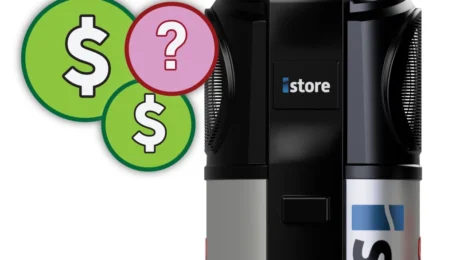
This modern, energy‑efficient technology is becoming increasingly popular in Australia as homeowners look for more sustainable and cost‑effective alternatives to traditional hot water systems.
A heat pump hot water system uses renewable heat from the surrounding air to warm your water, delivering substantial savings while reducing carbon emissions. Choosing an efficient system is key to maximising these savings and further reducing emissions. For smaller households, retirees, and empty nesters, it’s an affordable, low‑maintenance solution that provides reliable hot water every day for a fraction of the running costs of older systems.
In this guide, we’ll unpack the true heat pump hot water system price, the factors that influence the cost, and how you can unlock long‑term energy and financial savings with iStore’s award‑winning systems.
Selecting the Right Heat Pump
Choosing the right heat pump for your home starts with understanding your household’s hot water needs, the size of your property, and your local climate. Larger homes or those with higher hot water usage will benefit from a more powerful system, while smaller households can often opt for a compact, efficient hot water system.
If you live in a colder region, a ground-source or hybrid heat pump may offer better performance year-round. It’s also important to consider the energy efficiency rating of the system, as a more efficient heat pump will lead to lower energy bills and greater long-term savings.
Don’t forget to factor in the upfront cost, installation costs, and any available government rebates or incentives, which can make a big difference to your overall investment. By selecting a well-matched, efficient heat pump system, you’ll enjoy reliable hot water, reduced carbon emissions, and significant savings on your energy bills for years to come.
Understanding the Price of Heat Pump Hot Water Systems
When considering a heat pump hot water system, price is often the first question homeowners ask. On average, the heat pump hot water system price in Australia ranges between $3,000 and $5,500, including installation costs.
Hardware costs can vary significantly depending on the brand, capacity, and features of the system.
This price can vary depending on several key factors:
1. System Size
The size of the system directly impacts cost. For example, iStore’s 180L model is ideal for one to three people, while the iStore 270L model suits families of up to five. Larger tank sizes generally come with higher upfront costs but may be necessary for households with greater hot water needs, especially for bigger families or certain systems like solar hot water systems. Larger pump hot water systems require more energy output and therefore come at a slightly higher price, but they’re still highly efficient compared to conventional gas or electric hot water systems.
2. Installation Complexity
Installation costs can vary depending on your property’s layout, the existing water heating system, and whether any electrical or plumbing modifications are needed. Some installations may require a concrete slab as a stable base for the outdoor unit. In addition, a new electrical circuit may need to be installed by a licensed electrician, which can add to the overall installation cost. Simple retrofits typically fall on the lower end of the cost range, whereas more complex installations can take longer and add to the overall price.
3. Location and Government Rebates
Your location can also influence final cost due to state rebates and government incentives. Many states offer incentives or small‑scale technology certificates (STCs) that significantly reduce your upfront cost. Programs like Victorian Energy Upgrades (VEU) can provide additional rebates for eligible households upgrading to heat pump hot water systems. With certain incentives, an iStore heat pump system could cost as little as $2,000–$3,000 after rebates, making it incredibly attractive for savvy homeowners.
Why Heat Pump Hot Water Systems Are Cost‑Effective
Let’s break down why a heat pump hot water system delivers such excellent value over time.
Investing in a heat pump hot water system pays off in the long run through reduced energy bills and lower maintenance costs.
Energy Efficiency
A heat pump hot water system is one of the most energy‑efficient hot water systems available. Hot water systems are one of the largest contributors to household energy use, so improving their efficiency can have a significant impact on reducing overall energy use and greenhouse gas emissions. Instead of generating heat directly, it captures ambient heat energy from the surrounding air and transfers it to your hot water tank. This process uses 75–85% less electricity than a traditional electric water heater.
That efficiency means substantial reductions in running costs and energy bills. Over the lifespan of your system, you can expect to save hundreds, even thousands, on household energy consumption.
Long‑Term Savings
While the upfront cost of a heat pump may be higher than a gas or electric system, the long‑term savings quickly make up for it. Many homeowners recover their investment within a few years through lower energy bills.
Over 10 years, it’s not uncommon to save between $2,000 and $4,000, depending on your household’s hot water use, energy efficiency, and applicable rebates.
Government Incentives
Federal and state rebates make heat pumps even more affordable. The federal Small-Scale Renewable Energy Scheme (SRES) encourages households to install renewable energy systems, such as solar panels and air-source heat pumps.
In some states, upgrading to a heat pump hot water system can generate energy saving certificates (ESCs). These certificates can be sold or redeemed for additional rebates, providing further incentives for energy efficiency upgrades.
Some states and territories also offer additional rebates, further lowering your heat pump hot water system price. Always check your local area to see what government rebates you may be eligible for before purchasing or booking installation.
Comparing Heat Pumps to Traditional Hot Water Systems
When deciding on the right hot water system, it’s essential to understand how a heat pump compares to other types. Understanding how much hot water your household needs is also crucial for selecting the right system, as capacity and daily usage will determine the most suitable option.
| System Type | Average Installed Cost (AUD) | Energy Efficiency | Carbon Emissions | Typical Running Costs |
| Electric Water Heater | $800–$1,500 | Low | High | High |
| Gas Water Heater | $1,500–$3,000 | Moderate | Moderate | Moderate |
| Heat Pump Hot Water System | $3,000–$5,500 | High (75–85% energy‑efficient) | Low | Low |
Hot water heat pumps work by extracting heat from the air or ground and transferring it to heat water, making them highly energy-efficient. There are two main types: split heat systems, where the compressor and water tank are separate, offering installation flexibility, and integrated systems, which combine both components into a single unit for a compact, space-saving solution. Integrated systems are often easier to install and can be more cost-effective compared to split systems.
Unlike gas and electric systems, a heat pump system works like a reverse air‑conditioner, extracting heat from the air instead of generating it. This innovative technology minimises carbon emissions and delivers hot water with remarkable efficiency.
For environmentally conscious households aiming to reduce carbon emissions, a heat pump hot water unit is the most responsible choice.
iStore Heat Pump Hot Water Systems for Smaller Households
At iStore, we’ve designed our heat pumps with Australian conditions and modern households in mind. Our systems deliver powerful efficiency, quiet operation, and year‑round reliability, all while helping homeowners curb energy bills and carbon emissions.
iStore competes in the premium heat pump market alongside other well known brands such as Reclaim Energy and Sanden, both recognized for their high-end, efficient systems. Make sure to choose the right model for your household size and hot water needs to get the best performance and value.
Two Size Options
- iStore 180L Heat Pump Hot Water System: Perfect for apartments, couples, and empty nesters, offering excellent efficiency for up to three people.
- iStore 270L Heat Pump Hot Water System: Suited for medium households of up to five people, ensuring consistent hot water supply even during peak usage.
Energy‑Efficient Modes
With smart features like Hybrid Mode, Vacation Mode, and Eco Mode, iStore’s heat pump systems optimise energy efficiency and minimise running costs. These modes adjust heating schedules based on your energy usage, delivering hot water only when it’s needed most.
Low Energy Consumption
Each iStore system runs on as little as 500 watts per hour, resulting in impressively low energy bills. That’s a fraction of the energy consumed by conventional electric hot water systems.
Solar Compatibility
For households with solar PV, an iStore pump hot water system lets you maximise renewable energy. You can heat your hot water during the day when solar generation peaks, boosting overall efficiency and reducing grid dependency, achieving even greater long‑term savings.
Additionally, iStore heat pump hot water systems can be integrated with an existing solar system, such as a solar water heating system, for even greater energy savings.
Additional Costs to Consider
While the upfront price gives a good indication, several additional cost factors are worth understanding.
1. Installation Costs
Expect to pay around $800–$1,200 for professional installation, depending on the complexity, plumbing requirements, and existing setup. iStore’s authorised installers ensure seamless integration with your current water system, adhering to all Australian standards.
2. Maintenance
One of the best parts of owning an iStore heat pump is its minimal maintenance. Unlike gas burners or electric elements, there’s no frequent servicing required, just occasional cleaning of air filters and annual system checks. Annual maintenance should also include checking the pressure relief valve to ensure safe operation. With proper care, your unit can last 15 years or more.
3. System Upgrades
If you’re aiming for maximum energy efficiency, consider pairing your heat pump with a solar battery or inverter. This allows you to store excess solar energy and further reduce your household’s energy bills and carbon footprint.
FAQs
How much does a heat pump water heater cost to install?
The average installation cost for a heat pump water heater in Australia typically ranges between $800 and $1,200, depending on your location, existing setup, and any necessary electrical upgrades. Some installations may cost more if plumbing adjustments or solar integrations are required.
Are heat pump water heaters worth the price?
Absolutely. While the initial upfront cost of a heat pump system is higher, the long‑term benefit comes from drastically lower running costs and reduced energy bills. Most homeowners see a full return on investment within just a few years, making heat pumps one of the most efficient and cost‑effective hot water systems on the market.
Can I get a rebate for a heat pump hot water system?
Yes. Many Australians can access federal and state rebates to reduce the total heat pump hot water system price. Programs such as STCs (Small‑scale Technology Certificates) and state‑based incentives can save you hundreds off the purchase and installation costs.
To find out what rebates or incentives apply in your state, visit your state government’s energy website or check the federal government’s energy.gov.au site, which lists current programs across Australia.
What is the lifespan of a heat pump hot water system?
A high‑quality system like iStore’s range of heat pumps generally lasts between 12 and 15 years, and sometimes more with regular maintenance. This long lifespan adds to the system’s excellent overall value and energy efficiency.
How much can I save with a heat pump water heater?
Depending on your location, electricity rates, and household size, you could save up to 70–80% on your hot water energy costs annually. Over a decade, that can equate to $2,000–$4,000 in long‑term savings.
Save Money and Energy with iStore Heat Pump Hot Water Systems
For empty nesters, small families, or anyone looking to lower their energy bills and environmental impact, the heat pump hot water system offers unbeatable value.
With affordable prices, access to government rebates, and exceptional energy efficiency, iStore’s heat pump range gives you a smart path to long‑term savings and greener living.
Every iStore heat pump is built to deliver reliable hot water, reduced running costs, and superior efficiency; all backed by trusted Australian customer support.
Explore iStore’s range of heat pump hot water systems today and find the perfect solution for your home! Call 1300 515 640 or fill out this online form, and we’ll be in touch soon.
We can also help you if you’re thinking of switching to solar for even more savings and sustainability.
- Published in General