
Hot water is one of those things you don’t think about until it’s not there! But behind every shower, load of laundry, and kitchen clean-up, your hot water system is using energy.
Choosing the right electric hot water system can make a huge difference to comfort, running costs, and sustainability. Whether you’re building, renovating, replacing an old unit, or moving away from gas, energy-efficient electric systems are becoming a smarter choice.
With iStore’s efficient heat pump models, homeowners can enjoy reliable hot water while using less electricity and supporting a cleaner, more energy-conscious home.
What Is an Electric Hot Water System?
An electric hot water system uses electricity to heat water for your home. Once heated, the water is supplied to taps, showers, baths, dishwashers, and washing machines whenever you need it.
There are a few different types of electric systems available, and each one works a little differently.
Electric Storage Systems
Electric storage systems heat water and store it in a tank, so hot water is ready when you need it.
Continuous Flow Systems
Continuous flow systems heat water as it passes through the unit, rather than storing a full tank.
Heat Pump Systems
Heat pump systems use electricity to move heat from the surrounding air into the water, making them much more efficient than many traditional electric systems.
Solar-Compatible Systems
For homes with solar panels, an electric heat pump system can use daytime solar power to help heat water and reduce reliance on grid electricity.
An instant electric hot water system may suit smaller households or areas with lighter hot water use, while storage systems are better for homes that need hot water available throughout the day.
Electric systems can also be a good option for homes without gas access, including rural properties, new all-electric builds, and households moving away from fossil fuels. Because they don’t need a gas connection, they can offer more flexibility when planning an installation or upgrade.
For homes with solar panels, an electric heat pump system can make even more sense! Solar electric and hot water systems can work together by using daytime solar power to help heat water, reducing reliance on grid electricity for one of the home’s biggest energy users.
Key Benefits of an Electric Hot Water System
Energy Efficiency
Modern electric systems, such as iStore’s heat pumps, are designed to use electricity more efficiently. Instead of relying on a traditional heating element alone, a heat pump draws warmth from the surrounding air and transfers it into the water. This can significantly lower electricity consumption compared to older systems.
Affordability
Standard electric systems can often be more affordable upfront than some gas alternatives, especially where gas connections, ventilation, or extra installation work are needed. Heat pumps may cost more upfront, but their lower running costs can make them a strong long-term option.
Versatility
Electric hot water systems can suit many different homes, from compact apartments to larger family properties. They can also be installed in many urban, suburban, and rural locations, depending on the system type and site requirements.
Sustainability
When paired with solar power, an electric system can help your home use more renewable energy. Heat pumps are especially useful for households wanting to reduce emissions without giving up reliable hot water.
Low Maintenance
Quality electric systems are designed for consistent everyday use. While every system still needs proper installation and occasional servicing, electric units are generally straightforward to live with.
For households thinking about electric hot water system prices, it’s worth looking beyond the purchase cost alone. A cheaper system may cost less on day one, but a more efficient system can save much more over its lifetime.
Running costs also depend on your household size, water habits, electricity tariff, system type, and whether solar power is available. That’s why the question “how much electricity does a hot water system use?” doesn’t have one simple answer.
A large family using a traditional electric storage system will use energy differently from a couple with a solar-connected heat pump.
Heat pump spotlight
Heat Pumps: A Revolutionary Electric Water Heating System
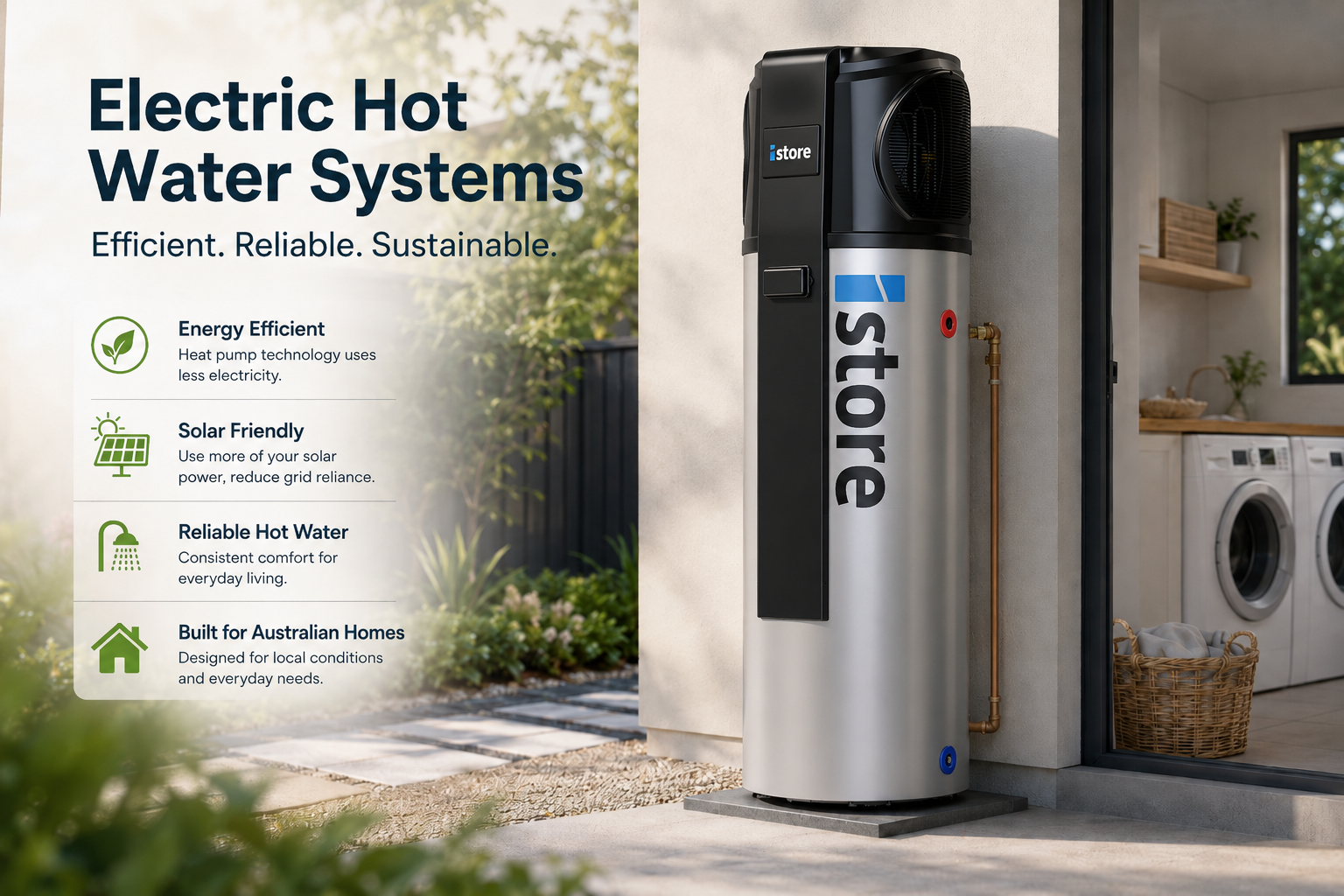
A heat pump is one of the most efficient types of electric water heating available for Australian homes!
Instead of generating heat in the same way as a traditional electric element, a heat pump extracts thermal energy from the surrounding air. It then transfers that heat into the water stored in the tank.
It works a bit like a reverse-cycle air conditioner, but for your hot water. The system uses electricity to move heat, not create all of it from scratch. That’s why heat pumps can use far less electricity than conventional electric hot water systems.
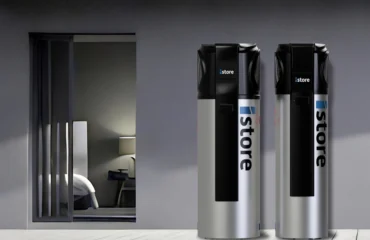
iStore heat pumps are designed to support reliable hot water while reducing energy consumption. They’re available in:
- 180L models, suited to smaller homes, couples, apartments, and lower-use households.
- 270L models, suited to larger families and homes with higher hot water demand.
The right size matters. A system that’s too small may struggle to keep up. A system that’s too large may cost more than necessary. Matching the unit to your household’s needs helps improve comfort and efficiency.
For homes with solar panels, a heat pump can be even more useful. You can schedule the system to heat water during the day when your solar panels are producing electricity. That helps your home use more of its own solar power instead of drawing electricity from the grid later.
This is one of the reasons heat pumps are becoming such a smart upgrade. They don’t ask you to change the way you use hot water. They simply heat it in a smarter way.
Factors to Consider When Choosing an Electric Hot Water System
Household Size
A small household may not need the same tank size as a large family. Think about how many people live in the home, how often showers are used, and whether hot water is needed in several places at once.
Daily Water Habits
Long showers, large washing loads, baths, and constant dishwasher use will all increase hot water demand.
Solar Compatibility
If you already have solar panels, or you’re planning to install them, a heat pump can help you make better use of daytime solar energy.
Location and Climate
Heat pumps work by drawing heat from the air, so placement, airflow, and local climate can affect performance. A good installer can help choose the right location.
Available Space
Storage tanks and heat pumps need suitable installation space. Access, drainage, ventilation, and noise placement should all be considered.
Cost and Incentives
Eligible heat pump systems may qualify for Small-scale Technology Certificates, also called STCs, as well as state-based rebates in some areas.
If you’re comparing systems, don’t only ask, “What’s the cheapest unit?” A better question is, “What will this system cost to install, run, maintain, and live with over the next decade?”
That gives you a clearer picture of real value!
The Cost-Effectiveness of Electric Hot Water Systems in Australia
Hot water can make up a large share of household energy use, so the system you choose can have a big effect on your bills.
Traditional electric storage systems can be affordable to buy and simple to install, but they may cost a lot more to run if they only use grid electricity. Gas systems can also have ongoing costs, and they may need ventilation, gas supply, and more installation planning.
Heat pumps sit in a different category. They usually cost more upfront than a basic electric storage unit, but they’re designed to use much less electricity day-to-day. Over time, those lower running costs can help offset the initial investment.
Several factors can affect the total cost of an electric hot water system, including:
- System type and size
- Installation complexity
- Household water use
- Local electricity tariffs
- Solar panel availability
- Rebate or STC eligibility
- Maintenance and expected lifespan
For homeowners comparing electric hot water system prices, rebates can also make a meaningful difference. Eligible iStore heat pumps may attract federal STC incentives, helping reduce the upfront cost through an approved installer or registered agent.
State support may also be available depending on where you live. Because rebate rules change, it’s always worth checking current eligibility before choosing your system.
Why Choose iStore for Your Electric Hot Water Solution?
Choosing a hot water system isn’t just about finding something that fits in the same spot as the old one. It’s about choosing a system that fits your home, your energy goals, and your budget over time.
iStore heat pumps are the go-to choice if you’re looking for a more efficient way to heat water. Instead of using large amounts of electricity through a traditional element, they use heat pump technology to draw energy from the surrounding air.
That makes them a strong choice for homeowners who want:
- Reliable hot water
- Lower electricity use
- Solar-friendly operation
- Reduced carbon emissions
- Long-term running cost savings
- A practical alternative to gas
Choosing the right hot water system can feel like a lot at first. You’re weighing up household size, running costs, solar compatibility, available space, rebates, and whether the system will still suit your home years from now.
That’s where iStore keeps things practical. With efficient heat pump options for different household needs, you’re not locked into a one-size-fits-all solution. You can choose a system that suits the way your home actually uses hot water.
iStore heat pumps are also designed with modern Australian homes in mind. They’re a strong fit for upgrades, renovations, new builds, and homes moving away from gas. For households with solar, they can help make better use of daytime energy without adding another complicated system to manage.
FAQs About Electric Hot Water Systems
Is an Electric Hot Water System Worth It?
Yes, an electric hot water system can be worth it, especially if you choose an efficient model that suits your household. Heat pumps can be a strong option because they use far less electricity than many traditional systems and can work well with solar power.
How Energy-Efficient Are Electric Water Heating Systems?
Efficiency depends on the system type. Traditional electric storage units can use a lot of power, while heat pump systems are much more efficient because they move heat from the air into the water rather than generating all the heat directly.
Can Electric Hot Water Systems Be Powered by Solar Panels?
Yes. Electric hot water systems can be paired with solar panels, especially heat pumps that can be scheduled to run during the day. This helps your home use more solar electricity and rely less on grid power.
What Is the Lifespan of an Electric Hot Water System?
Many electric hot water systems last around 10 to 15 years with proper installation, use, and maintenance. But they can vary depending on water quality, system type, usage, and servicing.
How Does a Heat Pump Compare to a Traditional Electric Water Heater?
A traditional electric water heater uses electricity to generate heat directly. A heat pump uses electricity to transfer heat from the surrounding air into the water, which can make it much more efficient. It may cost more upfront, but it can reduce running costs over time.
Upgrade Your Hot Water System with iStore Today
Your hot water system works every day, so it makes sense to choose one that works smarter.
An efficient electric hot water system can help lower energy use, reduce running costs, and support a more sustainable home.
For many Australian households, a heat pump offers one of the best paths forward, especially when paired with solar power.
iStore’s 180L and 270L heat pumps are designed to deliver reliable hot water while using energy more efficiently. They’re practical for upgrades, renovations, new builds, and homes moving away from gas.
Contact us today to find the perfect electric hot water system for your home and start enjoying smarter, energy-efficient water heating!
Contact iStore