
Most people think about solar for lights, appliances, and air conditioning. But one of the smartest places to use renewable energy is your hot water.
A solar-powered hot water system helps your home reduce the energy needed for showers, laundry, washing up, and everyday cleaning. That means lower running costs, less energy waste, and a more sustainable way to live.
Read on as we look into how solar hot water systems work, how much solar hot water systems cost, and how iStore’s solar-compatible heat pumps and inverters can support efficient water heating.
What Is Solar Hot Water?
Solar hot water is a water-heating method that uses solar energy to heat water for your home. Instead of relying only on grid electricity or gas, a solar hot water system uses roof-mounted collectors or solar-connected technology to reduce the amount of purchased energy needed for hot water.
Traditional solar hot water systems usually use collectors installed on the roof. These collectors absorb heat from the sun and transfer it to water stored in a tank.
The two common collector types are:
Flat Plate Collectors
These look like flat panels on the roof. They absorb solar heat through a dark surface and transfer it into the water or heat-transfer fluid.
Evacuated Tube Systems
These use rows of glass tubes to capture heat. They can perform well in cooler or cloudier conditions because the tubes help reduce heat loss.
Solar-Compatible Heat Pumps
A heat pump is not the same as a traditional roof collector system, but it can support solar-efficient hot water by using daytime solar electricity to move heat from the air into the water.
Solar Electric Integration
Solar panels can generate electricity during the day, and that electricity can help power an efficient heat pump for water heating.
Some modern homes also use heat pump systems alongside solar power. A heat pump isn’t the same as a traditional roof collector system, but it can still support solar-efficient hot water. Instead of collecting heat directly from the sun, it extracts thermal energy from the air and uses electricity to move that heat into the water.
This is where solar electric and hot water systems can work together. Solar panels can generate electricity during the day, and that electricity can help power an efficient heat pump.
Compared with standard electric or gas systems, solar hot water focuses on reducing the amount of grid energy needed to heat water. Gas and traditional electric systems generate heat directly. Solar hot water uses renewable energy first, then relies on boosting only when needed.
How Does a Solar Hot Water System Work?
The basic idea is simple: collect energy, transfer heat, store hot water, and use a booster when the sun can’t do enough on its own.
In a traditional solar hot water system, the process usually looks like this:
Solar Collection
Roof collectors absorb heat from the sun. In some systems, water passes directly through the collectors. In others, a heat-transfer fluid captures the warmth and passes it into the water through a heat exchanger.
Circulation
The heated water or heat-transfer fluid moves between the collector and the storage tank. Some systems use a pump, while others rely on natural movement.
Storage
Heated water is kept in an insulated tank until your household needs it.
Boosting
On cloudy days, during winter, or when household demand is high, an electric or gas booster can help raise the water temperature.
Solar Integration
In homes with solar panels, solar electricity can power supporting technology, such as a heat pump, to heat water during the day.
So, how does solar hot water work in everyday life? On sunny days, most of the heating can come from renewable energy. When conditions aren’t ideal, the booster or solar-connected heat pump steps in so your household still has reliable hot water.
Benefits of Solar Hot Water Systems
Lower Energy Bills
Heating water with solar energy can reduce the amount of grid electricity or gas your home needs. Some households may reduce hot water energy use by up to 80%, depending on the system, climate, household usage, and installation.
Long-Term Savings
A solar hot water system can cost more upfront than a basic electric unit, but lower running costs can make the investment worthwhile over time.
Reduced Emissions
Using renewable energy for hot water can reduce household greenhouse gas emissions, especially in homes moving away from gas or older electric systems.
Better Use of Australian Sunshine
Many Australian homes are well suited to solar energy, particularly when roof space, orientation, and household usage patterns line up well.
Government Incentives
Eligible solar water heaters and air source heat pumps may qualify for Small-scale Technology Certificates, also called STCs. These can help reduce the upfront cost through an installer or registered agent.
Reliable Performance
A quality system, installed correctly, can provide dependable hot water for many years.
Low Maintenance
Solar hot water systems generally don’t need much day-to-day attention, although periodic servicing is still important.
For anyone comparing options, cost is usually one of the first questions. Search terms like “how much do solar hot water systems cost,” “how much is a solar hot water system,” and “solar hot water system price” all point to the same issue: homeowners want to know whether the savings justify the upfront cost!
The answer depends on system type, tank size, installation complexity, roof access, booster type, rebates, and household water use. A cheaper system may look appealing at first, but the better value often comes from a setup that reduces energy use over the long term.
iStore heat pump technology
iStore’s Heat Pump Technology: A Solar-Compatible Hot Water Solution
iStore heat pumps offer another way to make hot water more efficient, especially for homes with solar.
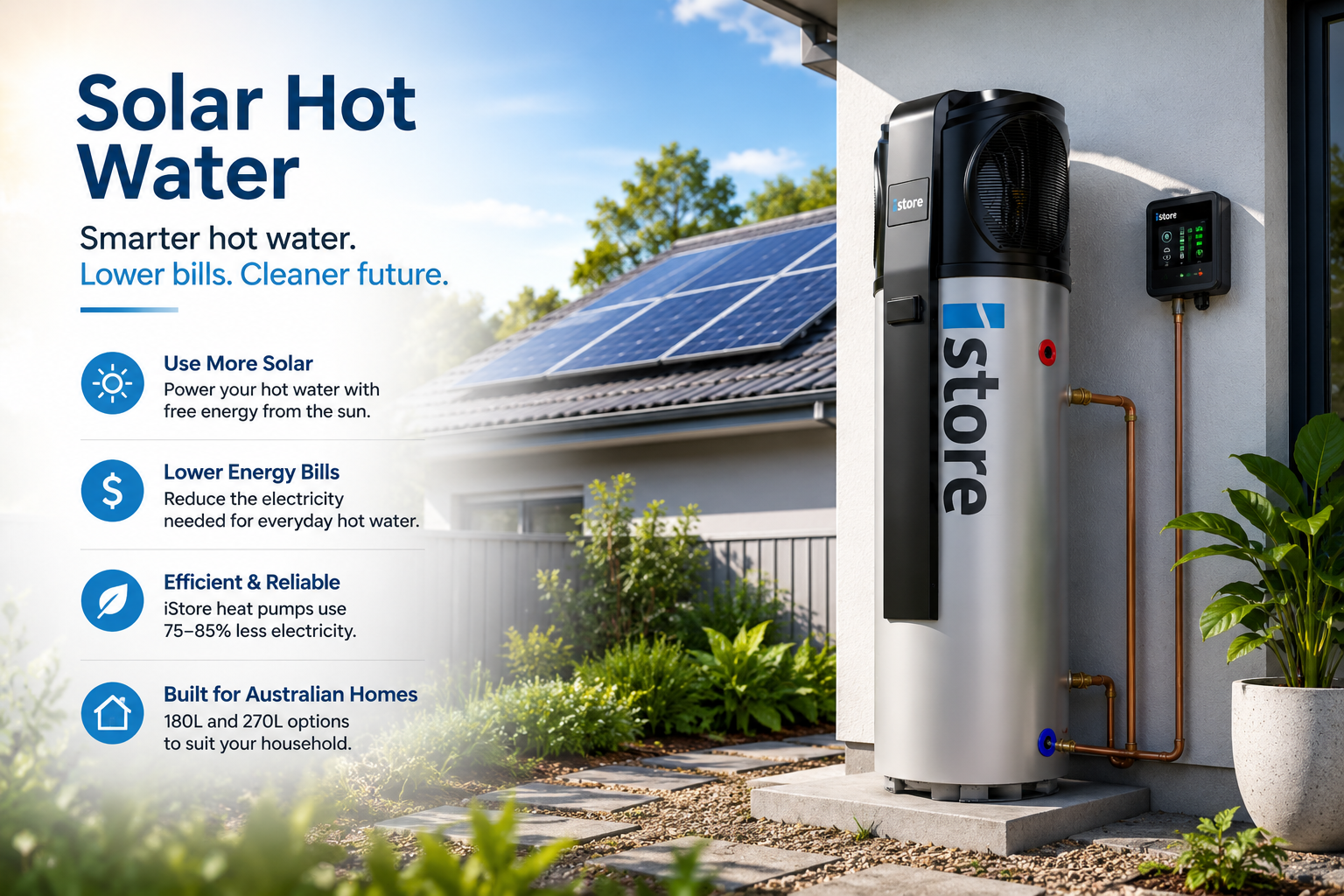
Rather than heating water through a standard electric element, an iStore heat pump draws thermal energy from the surrounding air and transfers it into the water. It uses electricity to move heat, not generate all the heat directly.
That’s what makes heat pump technology so efficient. iStore heat pumps use 75–85% less electricity than conventional hot water systems, helping households reduce energy use without giving up reliable hot water.
For homes with solar panels, the setup can become even more efficient. You can schedule the heat pump to run during the day, when your solar system is producing electricity. That helps your home use more of its own renewable power instead of drawing from the grid later.
iStore offers two main heat pump sizes for Australian homes:
- 180L Heat Pump: A practical option for smaller households, couples, apartments, and water-conscious families.
- 270L Heat Pump: A larger option for families or homes with higher daily hot water demand.
Installation and Factors To Consider
Choosing the right solar hot water system isn’t just about picking the biggest tank or the lowest price. The best option depends on your home, your hot water habits, and how your energy system is set up.
Before choosing a system, consider:
Household Size
More people usually mean more showers, laundry, dishes, and daily hot water use. Your system needs enough capacity to keep up.
Usage Patterns
A household that uses most hot water in the morning may need a different setup from one that uses more throughout the day.
Roof Space and Orientation
Traditional solar hot water collectors need suitable roof space and good access to sunlight.
Tank Location
The storage tank needs to be placed where it can operate efficiently and be accessed for servicing.
Climate
Some systems perform better than others in cooler, cloudier, or frost-prone regions.
Booster Type
Electric or gas boosting may be needed for days when solar energy isn’t enough.
Solar Compatibility
If you already have solar panels, a heat pump may be a practical way to turn daytime solar electricity into efficient hot water.
Rebates and Incentives
STCs and state-based rebates may help reduce upfront costs, depending on the system and your location.
Upfront cost matters, but long-term performance matters too. A well-matched system can reduce energy use year after year, while an undersized or poorly placed system may struggle to meet demand.
Why Choose iStore for Your Solar Hot Water Needs?
Solar hot water can be approached in more than one way. Some homes suit traditional roof collectors. Others may get better value from solar working with an efficient heat pump.
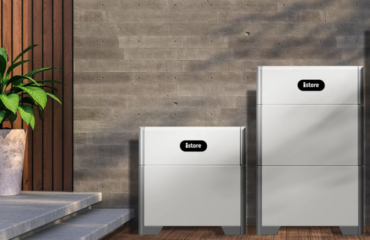
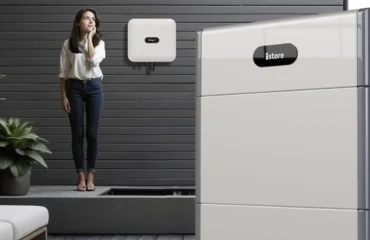
iStore focuses on practical, energy-efficient products that suit modern Australian homes. Its heat pumps can work alongside solar systems, while iStore inverters and batteries help households manage, store, and make better use of the energy they generate.
Together, these products can support reliable hot water, lower electricity use, and a more efficient home energy setup.
Homeowners choose iStore for:
- Solar-compatible hot water solutions
- 180L and 270L heat pump options
- Lower electricity use compared with conventional systems
- Support for homes moving away from gas
- Product support and installer resources
- Eligibility for STCs and other incentives, where available
iStore also supports installers and industry professionals with product information, helping systems be selected and installed correctly.
For Australian households, that support matters. A hot water system has to work every day, so the right product and the right installation both make a difference.
FAQs About Solar Hot Water
How Does a Solar Hot Water System Reduce Electricity Bills?
A solar hot water system uses energy from the sun to heat water, so your home needs less electricity or gas for hot water. If you use a solar-compatible heat pump, daytime solar power can also help run the system more efficiently.
Is Solar Hot Water Worth It?
Yes, solar hot water can be worth it for many Australian homes. It can reduce energy use, lower running costs, and support a more sustainable home, especially when the system is well matched to household size, location, and water use.
What’s the Difference Between Solar Hot Water and Heat Pumps?
Traditional solar hot water uses roof collectors to capture heat from the sun. A heat pump extracts heat from the surrounding air and transfers it into the water. When powered by solar, a heat pump can still support solar-efficient hot water.
How Long Does It Take To Install a Solar Water Heating System?
Installation time depends on the system type, roof access, tank location, plumbing work, electrical work, and whether an old system needs to be removed. Many straightforward installations can be completed within a day, but more complex jobs may take longer.
Can Solar Hot Water Systems Work During Winter?
Yes. Solar hot water systems can still work in winter, although output may be lower on cold, cloudy, or shorter days. Boosters or solar-connected heat pumps help maintain reliable hot water when solar energy is limited.
How Does a Solar Hot Water System Work?
Solar roof panels absorb heat from the sun. Water, or a heat-transfer fluid, circulates through the panels, absorbs heat, and transfers that heat to water stored in an insulated tank until needed. Many solar hot water systems also include an electric or gas booster to help maintain hot water during cloudy weather, overnight, or when household demand is higher than usual.
How Much Is a Solar Hot Water System?
A solar hot water system generally costs between $3,000 and $8,000 fully installed. The final price depends on the system type, tank size, roof setup, booster, location, and any available rebates or incentives.
Make the Switch to Solar Hot Water with iStore
Your hot water system works every day. If it’s using more energy than it needs to, that’s money and power going to waste.
Solar hot water gives your home a smarter way forward, helping reduce electricity use, lower running costs, and make better use of renewable energy.
With iStore’s solar-compatible heat pumps, inverters, and batteries, you can take more control over how your home heats, stores, and uses energy.
It’s reliable hot water, powered by smarter thinking.
Explore iStore’s solar-compatible hot water solutions today. Contact us to find the right system for your home and take the first step towards energy independence.
Contact iStore