

Understanding Solar Hot Water: How It Works and Its Benefits
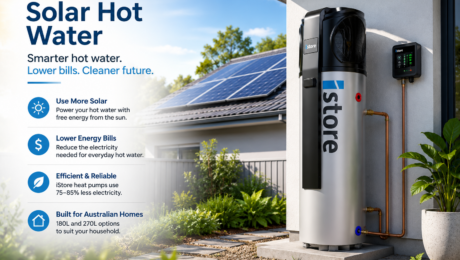
Most people think about solar for lights, appliances, and air conditioning. But one of the smartest places to use renewable energy is your hot water.
A solar-powered hot water system helps your home reduce the energy needed for showers, laundry, washing up, and everyday cleaning. That means lower running costs, less energy waste, and a more sustainable way to live.
Read on as we look into how solar hot water systems work, how much solar hot water systems cost, and how iStore’s solar-compatible heat pumps and inverters can support efficient water heating.
What Is Solar Hot Water?
Solar hot water is a water-heating method that uses solar energy to heat water for your home. Instead of relying only on grid electricity or gas, a solar hot water system uses roof-mounted collectors or solar-connected technology to reduce the amount of purchased energy needed for hot water.
Traditional solar hot water systems usually use collectors installed on the roof. These collectors absorb heat from the sun and transfer it to water stored in a tank.
The two common collector types are:
Flat Plate Collectors
These look like flat panels on the roof. They absorb solar heat through a dark surface and transfer it into the water or heat-transfer fluid.
Evacuated Tube Systems
These use rows of glass tubes to capture heat. They can perform well in cooler or cloudier conditions because the tubes help reduce heat loss.
Solar-Compatible Heat Pumps
A heat pump is not the same as a traditional roof collector system, but it can support solar-efficient hot water by using daytime solar electricity to move heat from the air into the water.
Solar Electric Integration
Solar panels can generate electricity during the day, and that electricity can help power an efficient heat pump for water heating.
Some modern homes also use heat pump systems alongside solar power. A heat pump isn’t the same as a traditional roof collector system, but it can still support solar-efficient hot water. Instead of collecting heat directly from the sun, it extracts thermal energy from the air and uses electricity to move that heat into the water.
This is where solar electric and hot water systems can work together. Solar panels can generate electricity during the day, and that electricity can help power an efficient heat pump.
Compared with standard electric or gas systems, solar hot water focuses on reducing the amount of grid energy needed to heat water. Gas and traditional electric systems generate heat directly. Solar hot water uses renewable energy first, then relies on boosting only when needed.
How Does a Solar Hot Water System Work?
The basic idea is simple: collect energy, transfer heat, store hot water, and use a booster when the sun can’t do enough on its own.
In a traditional solar hot water system, the process usually looks like this:
Solar Collection
Roof collectors absorb heat from the sun. In some systems, water passes directly through the collectors. In others, a heat-transfer fluid captures the warmth and passes it into the water through a heat exchanger.
Circulation
The heated water or heat-transfer fluid moves between the collector and the storage tank. Some systems use a pump, while others rely on natural movement.
Storage
Heated water is kept in an insulated tank until your household needs it.
Boosting
On cloudy days, during winter, or when household demand is high, an electric or gas booster can help raise the water temperature.
Solar Integration
In homes with solar panels, solar electricity can power supporting technology, such as a heat pump, to heat water during the day.
So, how does solar hot water work in everyday life? On sunny days, most of the heating can come from renewable energy. When conditions aren’t ideal, the booster or solar-connected heat pump steps in so your household still has reliable hot water.
Benefits of Solar Hot Water Systems
Lower Energy Bills
Heating water with solar energy can reduce the amount of grid electricity or gas your home needs. Some households may reduce hot water energy use by up to 80%, depending on the system, climate, household usage, and installation.
Long-Term Savings
A solar hot water system can cost more upfront than a basic electric unit, but lower running costs can make the investment worthwhile over time.
Reduced Emissions
Using renewable energy for hot water can reduce household greenhouse gas emissions, especially in homes moving away from gas or older electric systems.
Better Use of Australian Sunshine
Many Australian homes are well suited to solar energy, particularly when roof space, orientation, and household usage patterns line up well.
Government Incentives
Eligible solar water heaters and air source heat pumps may qualify for Small-scale Technology Certificates, also called STCs. These can help reduce the upfront cost through an installer or registered agent.
Reliable Performance
A quality system, installed correctly, can provide dependable hot water for many years.
Low Maintenance
Solar hot water systems generally don’t need much day-to-day attention, although periodic servicing is still important.
For anyone comparing options, cost is usually one of the first questions. Search terms like “how much do solar hot water systems cost,” “how much is a solar hot water system,” and “solar hot water system price” all point to the same issue: homeowners want to know whether the savings justify the upfront cost!
The answer depends on system type, tank size, installation complexity, roof access, booster type, rebates, and household water use. A cheaper system may look appealing at first, but the better value often comes from a setup that reduces energy use over the long term.
iStore heat pump technology
iStore’s Heat Pump Technology: A Solar-Compatible Hot Water Solution
iStore heat pumps offer another way to make hot water more efficient, especially for homes with solar.
Rather than heating water through a standard electric element, an iStore heat pump draws thermal energy from the surrounding air and transfers it into the water. It uses electricity to move heat, not generate all the heat directly.
That’s what makes heat pump technology so efficient. iStore heat pumps use 75–85% less electricity than conventional hot water systems, helping households reduce energy use without giving up reliable hot water.
For homes with solar panels, the setup can become even more efficient. You can schedule the heat pump to run during the day, when your solar system is producing electricity. That helps your home use more of its own renewable power instead of drawing from the grid later.
iStore offers two main heat pump sizes for Australian homes:
- 180L Heat Pump: A practical option for smaller households, couples, apartments, and water-conscious families.
- 270L Heat Pump: A larger option for families or homes with higher daily hot water demand.
Installation and Factors To Consider
Choosing the right solar hot water system isn’t just about picking the biggest tank or the lowest price. The best option depends on your home, your hot water habits, and how your energy system is set up.
Before choosing a system, consider:
Household Size
More people usually mean more showers, laundry, dishes, and daily hot water use. Your system needs enough capacity to keep up.
Usage Patterns
A household that uses most hot water in the morning may need a different setup from one that uses more throughout the day.
Roof Space and Orientation
Traditional solar hot water collectors need suitable roof space and good access to sunlight.
Tank Location
The storage tank needs to be placed where it can operate efficiently and be accessed for servicing.
Climate
Some systems perform better than others in cooler, cloudier, or frost-prone regions.
Booster Type
Electric or gas boosting may be needed for days when solar energy isn’t enough.
Solar Compatibility
If you already have solar panels, a heat pump may be a practical way to turn daytime solar electricity into efficient hot water.
Rebates and Incentives
STCs and state-based rebates may help reduce upfront costs, depending on the system and your location.
Upfront cost matters, but long-term performance matters too. A well-matched system can reduce energy use year after year, while an undersized or poorly placed system may struggle to meet demand.
Why Choose iStore for Your Solar Hot Water Needs?
Solar hot water can be approached in more than one way. Some homes suit traditional roof collectors. Others may get better value from solar working with an efficient heat pump.
iStore focuses on practical, energy-efficient products that suit modern Australian homes. Its heat pumps can work alongside solar systems, while iStore inverters and batteries help households manage, store, and make better use of the energy they generate.
Together, these products can support reliable hot water, lower electricity use, and a more efficient home energy setup.
Homeowners choose iStore for:
- Solar-compatible hot water solutions
- 180L and 270L heat pump options
- Lower electricity use compared with conventional systems
- Support for homes moving away from gas
- Product support and installer resources
- Eligibility for STCs and other incentives, where available
iStore also supports installers and industry professionals with product information, helping systems be selected and installed correctly.
For Australian households, that support matters. A hot water system has to work every day, so the right product and the right installation both make a difference.
FAQs About Solar Hot Water
How Does a Solar Hot Water System Reduce Electricity Bills?
A solar hot water system uses energy from the sun to heat water, so your home needs less electricity or gas for hot water. If you use a solar-compatible heat pump, daytime solar power can also help run the system more efficiently.
Is Solar Hot Water Worth It?
Yes, solar hot water can be worth it for many Australian homes. It can reduce energy use, lower running costs, and support a more sustainable home, especially when the system is well matched to household size, location, and water use.
What’s the Difference Between Solar Hot Water and Heat Pumps?
Traditional solar hot water uses roof collectors to capture heat from the sun. A heat pump extracts heat from the surrounding air and transfers it into the water. When powered by solar, a heat pump can still support solar-efficient hot water.
How Long Does It Take To Install a Solar Water Heating System?
Installation time depends on the system type, roof access, tank location, plumbing work, electrical work, and whether an old system needs to be removed. Many straightforward installations can be completed within a day, but more complex jobs may take longer.
Can Solar Hot Water Systems Work During Winter?
Yes. Solar hot water systems can still work in winter, although output may be lower on cold, cloudy, or shorter days. Boosters or solar-connected heat pumps help maintain reliable hot water when solar energy is limited.
How Does a Solar Hot Water System Work?
Solar roof panels absorb heat from the sun. Water, or a heat-transfer fluid, circulates through the panels, absorbs heat, and transfers that heat to water stored in an insulated tank until needed. Many solar hot water systems also include an electric or gas booster to help maintain hot water during cloudy weather, overnight, or when household demand is higher than usual.
How Much Is a Solar Hot Water System?
A solar hot water system generally costs between $3,000 and $8,000 fully installed. The final price depends on the system type, tank size, roof setup, booster, location, and any available rebates or incentives.
Make the Switch to Solar Hot Water with iStore
Your hot water system works every day. If it’s using more energy than it needs to, that’s money and power going to waste.
Solar hot water gives your home a smarter way forward, helping reduce electricity use, lower running costs, and make better use of renewable energy.
With iStore’s solar-compatible heat pumps, inverters, and batteries, you can take more control over how your home heats, stores, and uses energy.
It’s reliable hot water, powered by smarter thinking.
Explore iStore’s solar-compatible hot water solutions today. Contact us to find the right system for your home and take the first step towards energy independence.
Contact iStore- Published in General
NSW Households Can Now Access $15,000 Interest-Free Loans to Electrify Their Homes
iStore breaks down what the new NSW Home Energy Saver program means for families, and how a whole-of-home approach can make the most of it.
Electrifying your home just became far more affordable for households across New South Wales.
The NSW Government’s new $557 million Home Energy Saver program has removed the single biggest barrier to lowering power bills, the upfront cost, by offering eligible households zero-interest loans of up to $15,000 to fund energy-saving upgrades.
NSW program spotlight
What the Program Offers
The scheme is designed to help NSW families cut their energy costs by spreading the cost of home upgrades over time, rather than paying it all at once.
Eligible households can now access interest-free loans of up to $15,000, repayable over ten years, to install upgrades including rooftop solar, home batteries, and efficient electric appliances. The loans are available to households with a combined taxable income of up to $210,000.
Later in 2026, the program will also introduce discounts of up to $4,000 for lower-income households and eligible concession card holders, with renters able to access support too, provided they have their landlord’s permission.
For households eligible for both, the recommended approach is to apply for the discount first, then use a loan to cover the remaining amount.
A Real-World Example
The appeal is simple: your upgrades can start lowering your bills from day one, while you repay the loan interest-free.
For instance, a household earning $200,000 that wants a $10,000 solar and battery system can borrow the full amount and repay it over ten years with zero interest — all while the system reduces their energy costs immediately.
Why a Whole-of-Home Approach Matters
Electrification delivers the greatest savings when your systems work together. Solar panels generate clean power during the day. A battery stores the excess for expensive peak evening hours. A heat pump dramatically reduces the electricity needed for hot water. And a smart EV charger can soak up surplus solar instead of drawing more power from the grid later.
Solar Panels
Generate clean electricity during the day and reduce your reliance on grid power.
Battery Storage
Store excess solar energy so your home can use it later, including during expensive evening peak periods.
Heat Pump Hot Water
Reduce the electricity needed for one of the biggest everyday energy users in the home.
Smart EV Charging
Use surplus solar to charge your electric vehicle instead of drawing more energy from the grid later.
This is where iStore’s approach stands out. Because iStore covers solar, battery storage, heat pump hot water and EV charging under one brand, with one app and one company to deal with, NSW households can plan a complete electrification upgrade rather than juggling multiple suppliers. Depending on your installer’s pricing, a combined setup can potentially fit within the $15,000 interest-free loan cap.
What NSW Households Can Consider
If you are planning to use the Home Energy Saver program, it helps to think about your home as one connected energy system rather than a set of separate products.
- Check whether your household meets the income and eligibility requirements.
- Confirm which products and upgrades are approved under the current program rules.
- Consider whether solar, battery storage, hot water and EV charging can be planned together.
- Ask your installer how the upgrade can be staged or bundled within the loan amount.
- Compare upfront cost, repayment period, running cost savings and long-term value.
Take the Next Step
If you’re in NSW, there’s never been a better time to take control of your energy use, and your bills.
Full program details and eligibility criteria are available from Energy NSW.
To explore how iStore’s energy-efficient products can work together in your home, browse our range or contact our team today.
Eligibility, approved products and final pricing vary by household and installer. Always confirm current program details and eligible products before applying.
Contact iStore- Published in News
Benefits of an Electric Hot Water System: A Comprehensive Guide
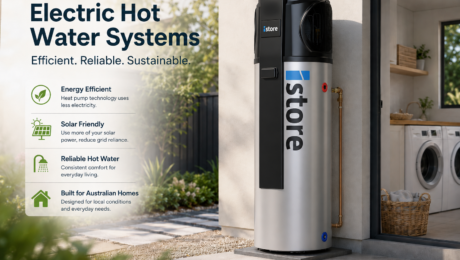
Hot water is one of those things you don’t think about until it’s not there! But behind every shower, load of laundry, and kitchen clean-up, your hot water system is using energy.
Choosing the right electric hot water system can make a huge difference to comfort, running costs, and sustainability. Whether you’re building, renovating, replacing an old unit, or moving away from gas, energy-efficient electric systems are becoming a smarter choice.
With iStore’s efficient heat pump models, homeowners can enjoy reliable hot water while using less electricity and supporting a cleaner, more energy-conscious home.
What Is an Electric Hot Water System?
An electric hot water system uses electricity to heat water for your home. Once heated, the water is supplied to taps, showers, baths, dishwashers, and washing machines whenever you need it.
There are a few different types of electric systems available, and each one works a little differently.
Electric Storage Systems
Electric storage systems heat water and store it in a tank, so hot water is ready when you need it.
Continuous Flow Systems
Continuous flow systems heat water as it passes through the unit, rather than storing a full tank.
Heat Pump Systems
Heat pump systems use electricity to move heat from the surrounding air into the water, making them much more efficient than many traditional electric systems.
Solar-Compatible Systems
For homes with solar panels, an electric heat pump system can use daytime solar power to help heat water and reduce reliance on grid electricity.
An instant electric hot water system may suit smaller households or areas with lighter hot water use, while storage systems are better for homes that need hot water available throughout the day.
Electric systems can also be a good option for homes without gas access, including rural properties, new all-electric builds, and households moving away from fossil fuels. Because they don’t need a gas connection, they can offer more flexibility when planning an installation or upgrade.
For homes with solar panels, an electric heat pump system can make even more sense! Solar electric and hot water systems can work together by using daytime solar power to help heat water, reducing reliance on grid electricity for one of the home’s biggest energy users.
Key Benefits of an Electric Hot Water System
Energy Efficiency
Modern electric systems, such as iStore’s heat pumps, are designed to use electricity more efficiently. Instead of relying on a traditional heating element alone, a heat pump draws warmth from the surrounding air and transfers it into the water. This can significantly lower electricity consumption compared to older systems.
Affordability
Standard electric systems can often be more affordable upfront than some gas alternatives, especially where gas connections, ventilation, or extra installation work are needed. Heat pumps may cost more upfront, but their lower running costs can make them a strong long-term option.
Versatility
Electric hot water systems can suit many different homes, from compact apartments to larger family properties. They can also be installed in many urban, suburban, and rural locations, depending on the system type and site requirements.
Sustainability
When paired with solar power, an electric system can help your home use more renewable energy. Heat pumps are especially useful for households wanting to reduce emissions without giving up reliable hot water.
Low Maintenance
Quality electric systems are designed for consistent everyday use. While every system still needs proper installation and occasional servicing, electric units are generally straightforward to live with.
For households thinking about electric hot water system prices, it’s worth looking beyond the purchase cost alone. A cheaper system may cost less on day one, but a more efficient system can save much more over its lifetime.
Running costs also depend on your household size, water habits, electricity tariff, system type, and whether solar power is available. That’s why the question “how much electricity does a hot water system use?” doesn’t have one simple answer.
A large family using a traditional electric storage system will use energy differently from a couple with a solar-connected heat pump.
Heat pump spotlight
Heat Pumps: A Revolutionary Electric Water Heating System
A heat pump is one of the most efficient types of electric water heating available for Australian homes!
Instead of generating heat in the same way as a traditional electric element, a heat pump extracts thermal energy from the surrounding air. It then transfers that heat into the water stored in the tank.
It works a bit like a reverse-cycle air conditioner, but for your hot water. The system uses electricity to move heat, not create all of it from scratch. That’s why heat pumps can use far less electricity than conventional electric hot water systems.
iStore heat pumps are designed to support reliable hot water while reducing energy consumption. They’re available in:
- 180L models, suited to smaller homes, couples, apartments, and lower-use households.
- 270L models, suited to larger families and homes with higher hot water demand.
The right size matters. A system that’s too small may struggle to keep up. A system that’s too large may cost more than necessary. Matching the unit to your household’s needs helps improve comfort and efficiency.
For homes with solar panels, a heat pump can be even more useful. You can schedule the system to heat water during the day when your solar panels are producing electricity. That helps your home use more of its own solar power instead of drawing electricity from the grid later.
This is one of the reasons heat pumps are becoming such a smart upgrade. They don’t ask you to change the way you use hot water. They simply heat it in a smarter way.
Factors to Consider When Choosing an Electric Hot Water System
Household Size
A small household may not need the same tank size as a large family. Think about how many people live in the home, how often showers are used, and whether hot water is needed in several places at once.
Daily Water Habits
Long showers, large washing loads, baths, and constant dishwasher use will all increase hot water demand.
Solar Compatibility
If you already have solar panels, or you’re planning to install them, a heat pump can help you make better use of daytime solar energy.
Location and Climate
Heat pumps work by drawing heat from the air, so placement, airflow, and local climate can affect performance. A good installer can help choose the right location.
Available Space
Storage tanks and heat pumps need suitable installation space. Access, drainage, ventilation, and noise placement should all be considered.
Cost and Incentives
Eligible heat pump systems may qualify for Small-scale Technology Certificates, also called STCs, as well as state-based rebates in some areas.
If you’re comparing systems, don’t only ask, “What’s the cheapest unit?” A better question is, “What will this system cost to install, run, maintain, and live with over the next decade?”
That gives you a clearer picture of real value!
The Cost-Effectiveness of Electric Hot Water Systems in Australia
Hot water can make up a large share of household energy use, so the system you choose can have a big effect on your bills.
Traditional electric storage systems can be affordable to buy and simple to install, but they may cost a lot more to run if they only use grid electricity. Gas systems can also have ongoing costs, and they may need ventilation, gas supply, and more installation planning.
Heat pumps sit in a different category. They usually cost more upfront than a basic electric storage unit, but they’re designed to use much less electricity day-to-day. Over time, those lower running costs can help offset the initial investment.
Several factors can affect the total cost of an electric hot water system, including:
- System type and size
- Installation complexity
- Household water use
- Local electricity tariffs
- Solar panel availability
- Rebate or STC eligibility
- Maintenance and expected lifespan
For homeowners comparing electric hot water system prices, rebates can also make a meaningful difference. Eligible iStore heat pumps may attract federal STC incentives, helping reduce the upfront cost through an approved installer or registered agent.
State support may also be available depending on where you live. Because rebate rules change, it’s always worth checking current eligibility before choosing your system.
Why Choose iStore for Your Electric Hot Water Solution?
Choosing a hot water system isn’t just about finding something that fits in the same spot as the old one. It’s about choosing a system that fits your home, your energy goals, and your budget over time.
iStore heat pumps are the go-to choice if you’re looking for a more efficient way to heat water. Instead of using large amounts of electricity through a traditional element, they use heat pump technology to draw energy from the surrounding air.
That makes them a strong choice for homeowners who want:
- Reliable hot water
- Lower electricity use
- Solar-friendly operation
- Reduced carbon emissions
- Long-term running cost savings
- A practical alternative to gas
Choosing the right hot water system can feel like a lot at first. You’re weighing up household size, running costs, solar compatibility, available space, rebates, and whether the system will still suit your home years from now.
That’s where iStore keeps things practical. With efficient heat pump options for different household needs, you’re not locked into a one-size-fits-all solution. You can choose a system that suits the way your home actually uses hot water.
iStore heat pumps are also designed with modern Australian homes in mind. They’re a strong fit for upgrades, renovations, new builds, and homes moving away from gas. For households with solar, they can help make better use of daytime energy without adding another complicated system to manage.
FAQs About Electric Hot Water Systems
Is an Electric Hot Water System Worth It?
Yes, an electric hot water system can be worth it, especially if you choose an efficient model that suits your household. Heat pumps can be a strong option because they use far less electricity than many traditional systems and can work well with solar power.
How Energy-Efficient Are Electric Water Heating Systems?
Efficiency depends on the system type. Traditional electric storage units can use a lot of power, while heat pump systems are much more efficient because they move heat from the air into the water rather than generating all the heat directly.
Can Electric Hot Water Systems Be Powered by Solar Panels?
Yes. Electric hot water systems can be paired with solar panels, especially heat pumps that can be scheduled to run during the day. This helps your home use more solar electricity and rely less on grid power.
What Is the Lifespan of an Electric Hot Water System?
Many electric hot water systems last around 10 to 15 years with proper installation, use, and maintenance. But they can vary depending on water quality, system type, usage, and servicing.
How Does a Heat Pump Compare to a Traditional Electric Water Heater?
A traditional electric water heater uses electricity to generate heat directly. A heat pump uses electricity to transfer heat from the surrounding air into the water, which can make it much more efficient. It may cost more upfront, but it can reduce running costs over time.
Upgrade Your Hot Water System with iStore Today
Your hot water system works every day, so it makes sense to choose one that works smarter.
An efficient electric hot water system can help lower energy use, reduce running costs, and support a more sustainable home.
For many Australian households, a heat pump offers one of the best paths forward, especially when paired with solar power.
iStore’s 180L and 270L heat pumps are designed to deliver reliable hot water while using energy more efficiently. They’re practical for upgrades, renovations, new builds, and homes moving away from gas.
Contact us today to find the perfect electric hot water system for your home and start enjoying smarter, energy-efficient water heating!
Contact iStore- Published in General
How to Save Money on Electricity at Home: Practical Tips and Tricks
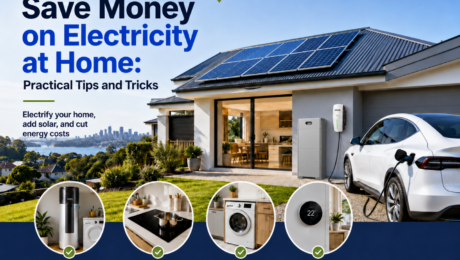
Australian households can save thousands of dollars a year across both energy and transport, by electrifying their home, switching every appliance off fossil fuels and running it on power, and pairing that with rooftop solar.
The smartest approach is to replace gas and inefficient appliances first, then generate and store your own power, and finally tap into the rebates and incentives available across Australia.
If you’re in NSW, this just got far easier: the new Home Energy Saver program offers eligible households zero-interest loans of up to $15,000 to fund upgrades like solar, batteries and efficient electric appliances, so you can spread the cost over ten years instead of paying upfront.
Find the biggest energy users first. Heating, cooling, and hot water typically use the most power in a home. Replace old gas heaters or ageing reverse-cycle units with modern, efficient reverse-cycle air conditioners (heat pumps), and switch from electric-element hot water to a heat pump hot water system that can use up to 75–85% less electricity.
Upgrade your everyday appliances. Smaller swaps add up fast. Move from gas cooktops to induction (faster, safer, more efficient), replace halogen and incandescent globes with LEDs that use far less energy, and use smart plugs to cut standby power, which can quietly account for around 10% of a typical power bill.
Pair electrification with solar and storage. Generating your own electricity is the cornerstone of an all-electric home. A correctly sized rooftop solar system covers your daytime use, while a battery stores excess solar for those expensive peak evening hours.
Use rebates and financing to lower upfront costs. Look into the Small-scale Renewable Energy Scheme (STCs), the Cheaper Home Batteries Program, and state and territory incentives for solar, batteries, heat pumps, and efficient electric upgrades. NSW households can also access the Home Energy Saver program’s interest-free loans of up to $15,000, and later in 2026, discounts of up to $4,000 for lower-income households. Eligibility and approved-product rules vary by location, so always check the current details before you commit.
To work out which upgrades will pay you back fastest, it helps to know whether you own or rent, which gas or electric appliances you currently run, and roughly how much you spend on electricity and gas each quarter. From there, you can prioritise the changes with the best return on investment.
Why Saving Electricity Matters
Saving electricity isn’t just about switching things off. It’s about using power more wisely, so your home stays comfortable without wasting energy in the background.
Every day, electricity use adds up really fast. Hot water, heating, cooling, lighting, appliances, pool equipment, devices, and EV charging can all affect how much power your home uses.
When those systems aren’t efficient, energy can disappear into the background before you even notice it!
Reducing electricity use can help your home:
- Lower day-to-day running costs
- Reduce carbon emissions
- Rely less on grid electricity
- Make better use of solar energy
- Prepare for a cleaner, more efficient energy future
Some changes don’t cost much at all, like turning devices off at the wall or running appliances during the day. Other upgrades, such as solar power, battery storage, and heat pump hot water, deliver much bigger savings over time, and they’re at the heart of home electrification: the process of moving every part of your home off fossil fuels and onto efficient electric systems powered by the sun.
Energy independence is another reason to think differently about electricity. Solar panels allow your home to generate power during the day. A battery lets you store extra solar energy for later, instead of sending it straight back to the grid.
Practical Tips to Save Electricity at Home
Switch to Energy-Efficient Appliances
Old appliances can keep running for years, but they may use a lot more electricity than newer, more efficient models. Fridges, washing machines, dryers, dishwashers, air conditioners, and hot water systems can all have a huge impact on your bill.
When it’s time to replace an appliance, check the Energy Rating Label on the new one and compare the estimated annual energy use. A cheaper appliance isn’t always cheaper if it uses more electricity year after year.
Hot water is one of the biggest areas to look at. iStore heat pumps are designed to heat water by drawing energy from the surrounding air, rather than creating heat from scratch. As a result, they can use 75–85% less electricity than traditional water heaters, making them one of the single most effective electrification upgrades you can make.
Adopt Solar Energy Solutions
Solar panels allow your home to generate electricity from sunlight. For many Australian households, this can reduce the amount of grid electricity used during the day.
A hybrid inverter helps manage that solar energy. It converts solar power into electricity that your home can use, while also working with battery storage.
iStore’s hybrid solar inverters are designed to help your home use solar energy more effectively.
During the day, your home can use the electricity your panels generate. When your system produces more than you need, extra energy can be sent to a compatible iStore battery for later use, rather than exported for a small feed-in payment.
Switch From Gas to Efficient Electric Cooking
If you’re serious about cutting bills and electrifying your home, the kitchen is a great place to act. Replacing a gas cooktop with an induction cooktop is faster, safer, and far more energy-efficient, transferring more of the energy directly into your pots and pans rather than losing it to the air.
When your cooking runs on electricity, it can be powered by your own solar during the day, removing another fossil-fuel connection (and its supply charges) from your home.
Use LED Lighting
Lighting is one of the easiest places to start. Replacing old incandescent, halogen, or fluorescent lights with LED bulbs can quickly reduce electricity use.
LEDs use much less energy than older lighting types, and last longer, so you’ll replace them less often. Start with the lights you use most, such as kitchen lights, living room lamps, bathroom lighting, hallway lights, and outdoor lights.
One bulb might not seem like much. Across the whole home, the savings will add up!
Unplug Unused Devices
Some devices keep using electricity even when they’re not being used. TVs, game consoles, chargers, printers, computers, speakers, and microwaves can all draw standby power.
Switching devices off at the wall helps reduce this waste. Power boards with individual switches can make it easier, especially in living areas, home offices, and charging stations.
Install Smart Thermostats and Sensors
Heating and cooling can use a lot of electricity, especially during hot summers and cooler winter mornings.
Smart thermostats, timers, sensors, and temperature controls can help your systems run only when needed. Motion sensors can also reduce wasted lighting in rooms, hallways, and outdoor areas.
Try setting practical temperature ranges of 22–24 degrees year-round instead of pushing heating or cooling to extremes. Use timers so systems aren’t left running all day. If you’re still heating with gas, swapping to an efficient reverse-cycle air conditioner (heat pump) is one of the highest-impact electrification moves for both comfort and cost.
Maximise Natural Light and Ventilation
Your home may already have natural light and airflow available. The key is using them well.
A few simple habits can help:
- Open blinds during the day instead of turning lights on
- Use cross-flow ventilation when outdoor conditions are comfortable
- Close blinds, curtains, or external shading during hot afternoons
- Let winter sun warm living areas where possible
- Block harsh afternoon sun before rooms overheat in summer
These habits can reduce the need for lighting, fans, and air conditioning.
Insulate Your Home Properly
A poorly insulated home makes heating and cooling systems work harder. Warm air escapes in winter, while hot air finds its way in during summer.
Ceiling insulation, wall insulation, floor insulation, draught sealing, and better window coverings can all help your home hold its temperature far better, so your electric heating and cooling work less to keep you comfortable.
Investing in Renewable and Sustainable Energy Solutions
Solar Power Systems
Solar panels help your home generate electricity from sunlight. That can reduce the amount of grid electricity needed during the day. A hybrid inverter also plays an important role by managing the flow of energy between your solar panels, your home, and your battery. iStore’s hybrid solar inverters are built to support efficient solar energy use, with monitoring, built-in protection, and battery compatibility.
Battery Storage
Your solar panels may produce the most electricity during the day, but your household may use more power in the evening, exactly when grid prices peak. A battery stores excess solar energy so it can be used when your home needs it. iStore’s modular batteries allow you to build a storage setup around your household’s needs, starting from 5 kWh and scaling up to 30 kWh if your energy use calls for it.
Energy-Efficient Water Heating
Hot water can use a lot of electricity, especially in busy households. iStore heat pumps use air-to-energy technology to heat water efficiently, helping reduce reliance on traditional electric water heating. When paired with solar, a heat pump can be scheduled to run during the day, so your home uses more of its own renewable energy.
EV Chargers
Electric vehicles can reduce reliance on petrol, but home charging still needs to be managed carefully. An iStore EV charger can support smarter home charging with Wi-Fi app control, scheduled charging, Dynamic Load Balancing, solar optimisation, fault detection, and temperature sensors. For homes with solar, daytime EV charging can soak up excess solar power instead of drawing more from the grid later, which is where the biggest combined energy-and-transport savings come from.
Benefits of Sustainable Electricity Practices for Australian Homes
Sustainable electricity habits can do so much more than just reduce your power use. They can make your home more comfortable, more efficient, and better suited to Australia’s energy future.
Government incentives can make energy upgrades more affordable. Eligible solar panels, batteries, and heat pumps may qualify for rebates, incentives, or certificate-based discounts.
The Small-scale Renewable Energy Scheme can help reduce upfront costs for eligible renewable systems through Small-scale Technology Certificates, often called STCs. The Cheaper Home Batteries Program may also help eligible households reduce the upfront cost of installing a battery with rooftop solar.
State and territory support varies. Some programs help with solar panels, batteries, heat pumps, insulation, or efficient electric upgrades, and certain states offer interest-free loans to finance upgrades like rooftop solar, batteries, and reverse-cycle air conditioners. Always check current eligibility, location rules, approved products, and installation requirements before making a decision.
Energy-efficient upgrades can also support:
- Lower long-term running costs
- Better comfort across the seasons
- Less reliance on grid power
- Stronger appeal to future home buyers
- Better use of Australia’s sunny climate
Homes with suitable roof space, strong sun exposure, and regular daytime electricity use can really benefit from solar power. Batteries, heat pumps, and smart EV chargers can help make that energy go further.
Using these systems together can reduce pressure on the grid and support a more efficient all-electric home.
NSW spotlight
Spotlight: The NSW Home Energy Saver Program
If you live in NSW, there’s now a standout way to make electrifying your home genuinely affordable. The NSW Government recently launched a $557 million Home Energy Saver program designed to help families lower their power bills by removing the biggest barrier to upgrading: the upfront cost.
Here’s what it offers:
- Zero-interest loans of up to $15,000, available now to households with a combined taxable income of up to $210,000. You pay nothing in interest and can spread the cost over ten years rather than paying upfront. Eligible upgrades include rooftop solar, home batteries, insulation, reverse-cycle air conditioning and more.
- Discounts of up to $4,000, available later in 2026 to households with a combined annual income of up to $80,000, or eligible concession card holders. Renters can access discounts too, with their landlord’s permission.
If you’re eligible for both, the advice is to apply for the discount first, then use a loan to cover the remaining amount.
For example, if your household earns $200,000 and you want a solar and battery system for $10,000, you can borrow the full amount and pay it off interest-free over ten years, all while the system starts lowering your bills from day one.
You can find full details and apply at Energy NSW.
Why Choose iStore for Energy-Efficient Home Products?
Choosing energy-efficient products isn’t just about buying one appliance or adding one solar product. It’s about creating a home energy setup that makes sense as a whole.
iStore gives Australian households access to products that can work together across the main areas of home energy use, from solar generation and storage to hot water, pool heating, and EV charging.
That matters because energy savings often come from the way these systems interact. Your solar panels can generate clean power during the day. Your inverter can help manage that power. Your battery can store extra energy for later. Your heat pump can reduce the electricity needed for hot water. Your EV charger can help you charge more intelligently at home.
With iStore, you’re not just looking at isolated products. You’re building a more efficient home energy system that can grow with your needs.
iStore products may also be eligible for government rebates, incentives, or STC discounts, depending on your location, installer, product type, and current scheme rules. That can help make energy-efficient upgrades more affordable from the start.
There’s also support available when the technical details feel a little much. Inverters, batteries, kilowatt-hours, STCs, EV charging, load balancing, and heat pump sizing can raise plenty of questions.
iStore provides product information, installer support, and practical guidance to help you choose a setup that suits your home, your energy use, and your long-term savings goals.
iStore provides product information, installer support, and practical guidance to help households choose systems that suit their needs. The right setup can make a real difference to comfort, savings, and long-term performance.
FAQs About How Can We Save Electricity at Home
What Are the Best Ways to Save Electricity at Home?
The best ways include switching to energy-efficient appliances, using LED lighting, turning off unused devices, improving insulation, using natural light, installing solar panels, adding battery storage, and choosing efficient hot water systems like heat pumps.
What Changes Can I Make To Reduce My Electricity Bills?
Start with simple habits like switching lights off, turning devices off at the wall, washing clothes in cold water, running full loads, using timers, and reducing unnecessary heating and cooling.
For bigger savings, consider solar panels, battery storage, insulation, efficient appliances, and a heat pump hot water system.
What Is Home Electrification and How Does It Save Money?
Home electrification means replacing fossil-fuel appliances, like gas heaters, gas hot water, and gas cooktops, with efficient electric alternatives such as heat pumps, reverse-cycle air conditioners, and induction cooktops. When powered by rooftop solar, these systems can dramatically cut both your energy and transport costs, and remove gas supply charges altogether.
Can I Get an Interest-Free Loan to Electrify My Home in NSW?
Yes. The NSW Government’s Home Energy Saver program offers eligible households zero-interest loans of up to $15,000 to install energy-saving upgrades such as rooftop solar, batteries and efficient electric appliances, repayable over ten years. Households with a combined taxable income of up to $210,000 can apply now, and lower-income households may also qualify for discounts of up to $4,000 later in 2026. With iStore, you can plan solar, storage, hot water and EV charging together, potentially within that $15,000 loan, subject to your installer’s pricing and current eligibility rules.
How Can Solar Power Help Save Energy at Home?
Solar panels generate electricity from sunlight, so your home can use less grid power during the day. A hybrid inverter helps manage that energy, while a battery can store excess solar power for later use.
Are Energy-Efficient Appliances Worth the Investment?
Yes, without a doubt! Energy-efficient appliances can cost less to run over time, especially for products used every day, like fridges, washing machines, dishwashers, air conditioners, and hot water systems.
Can Smart Devices Help Reduce Energy Consumption?
Yes. Smart thermostats, timers, motion sensors, smart plugs, EV chargers, and solar monitoring tools can help reduce waste by running systems only when needed and making better use of available solar power.
Transform Your Home’s Energy Efficiency with iStore
Every wasted watt is power your home didn’t need to use. The good news? Once you know where that waste is coming from, you can start making smarter choices that actually fit the way you live.
From simple habits to bigger upgrades like solar power, inverters, battery storage, heat-pump hot water, pool heating, and EV charging, there are plenty of ways to make your home more efficient and electrified without sacrificing comfort.
iStore helps Australian households take that next step with energy-efficient products designed to work together. Generate more of your own power, store it for later, heat water more efficiently, and use electricity in a smarter way across your home.
Explore iStore’s energy-efficient products today and start saving electricity while living more sustainably. Contact us now to learn more!
Contact iStore- Published in General